General Contracting Services
General Contracting
Las Cruces, NM
Las Cruces, NM
Cold Storage Construction in the Mesilla Valley
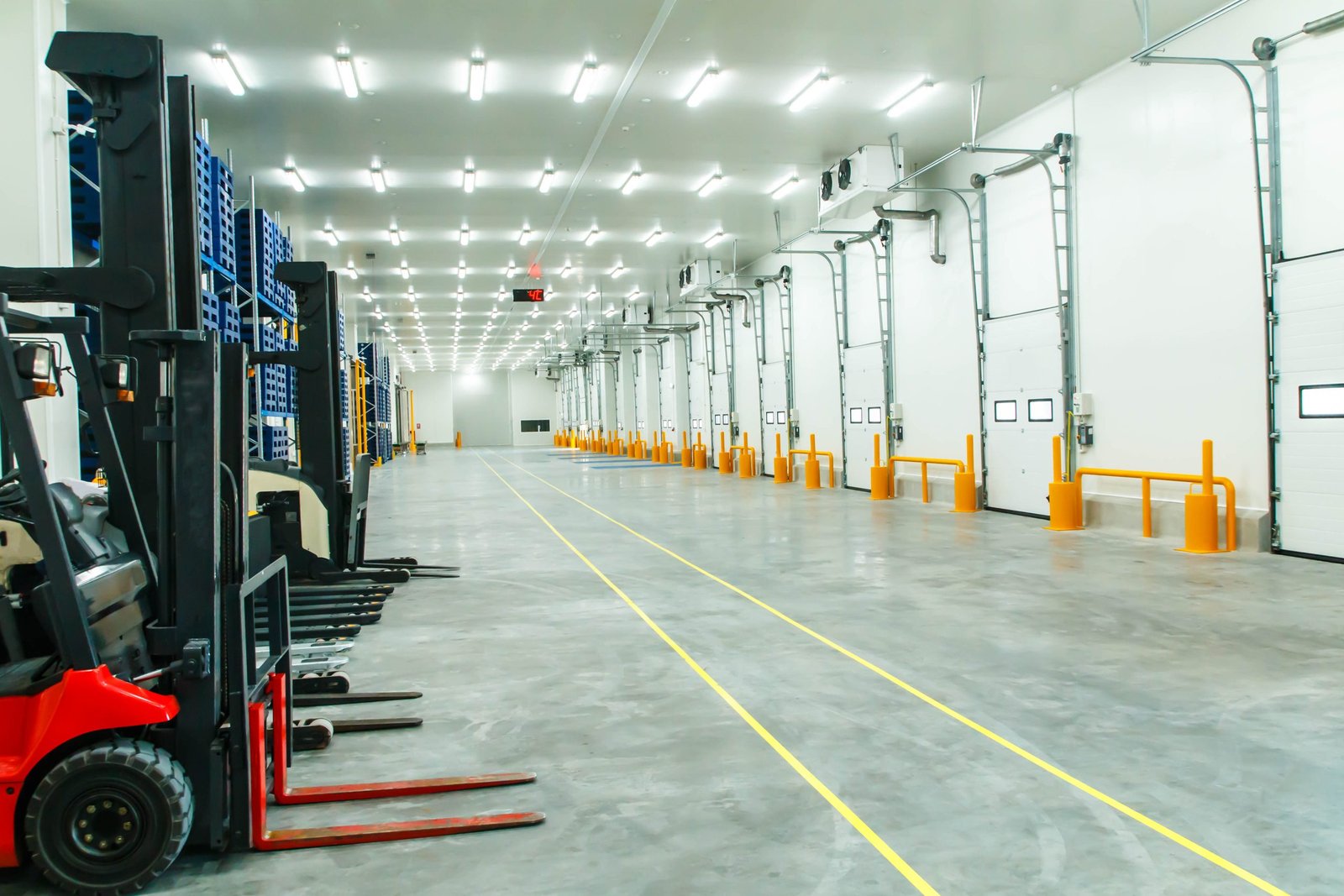
A truckload of produce leaving a Mesilla Valley field in July is already fighting a 96-degree afternoon, and the cooler it goes into has to win that fight every single day. Las Cruces summer highs average 96.2 degrees in June, and that is the number a cold storage building has to be designed against, not the mild day that shows up in the spring. The refrigeration, the panels and the doors all work harder here than they would in a cooler climate.
The farm country around us is the reason cold storage matters. Hatch is known worldwide for raising chiles, and NM 28 runs past farmland, dairy farms, vineyards and pecan orchards in the valley. Growers, packers and processors all need to hold product at a steady temperature between the field and the truck, and the buildings they use are among the most technical we build.
We construct coolers, freezers and ripening rooms for packers, food processors, distributors and institutional users. A cold building is a refrigeration plant wrapped in insulation, and we treat the job that way from the first meeting.
Setting the temperature, the product and the load
The first questions are what is stored, at what temperature, and how fast product comes in. A produce cooler held at 34 to 40 degrees is a different building than a freezer at minus 10, and both differ from a dry room with humidity control. We also ask about pull-down: if warm product is placed in the room, the refrigeration has to remove that heat quickly, and that sizing drives the compressor and evaporator selection.
Door traffic is another large load. Every time a forklift passes through the dock door, warm, humid air comes in, and the refrigeration has to remove it. Vestibules, air curtains, fast doors and good dock seals all pay for themselves in a hot climate. We lay out the dock, the vestibule and the staging area so the product spends the least possible time in the warm zone.
Codes, refrigerants and inspections
The building is reviewed under New Mexico's 2021 Commercial Building Code (14.7.2 NMAC), which adopts the 2021 International Building Code as amended and took effect July 14, 2023. Insulated panels and their interior finishes have fire ratings and flame spread limits, and we select panels that match the occupancy and the sprinkler design. The 2021 Commercial Energy Conservation Code, which took effect January 30, 2024, also applies to the envelope and the refrigeration equipment.
Refrigerant choice shapes the safety and permitting package. Ammonia systems need a machinery room, ventilation, detection and a management plan. Synthetic and carbon dioxide systems have different rules. The 2024 mechanical code takes effect August 1, 2026, with permits issued under either the 2021 or 2024 edition until January 1, 2027, and we confirm which one applies to the mechanical permit before drawings go in.
Where cold storage costs more than a warehouse
Insulated metal panels, floor insulation and heating, refrigeration equipment and controls make a cold building cost several times as much per square foot as dry storage. Panel thickness is a big lever: a freezer needs thicker panels than a cooler, and every inch adds cost but cuts operating expense. We show owners a simple payback so they can choose the thickness that matches their electric rates and their plans. Owners who need only part of their space cold often combine a cooler wing with a conventional dry warehouse, and we plan the shared wall and dock together so the two operations do not fight each other over doors.
Refrigeration packages and panels also carry long lead times, so our long-lead procurement schedule puts those orders on the calendar at the start. The power service is another budget line that surprises owners. Compressors, fans, defrost heaters and dock equipment all add load, and the utility may need time to build capacity. Standby power for a high-value product also changes the electrical package. We price the electrical service and the standby generator as separate options.
Building the slab so it does not heave
Freezer floors are a classic problem. A freezer that is held below freezing for months can freeze the soil beneath the slab, and as ice forms it can lift the floor. The fix is rigid insulation under the slab and a heating system, often glycol or electric, that keeps the soil above freezing. In a desert climate that sounds unnecessary, but the freezer is a heat sink, and the ground responds to it. The same logic applies to the compressor yard: condensers breathe hot air, and a layout that traps that air behind a wall can cost an owner real efficiency on the hottest afternoons. We design the underfloor heating with the engineer and test it before the slab is covered.
We place vapor barriers carefully and seal every penetration. A cold building in a hot, dry climate still sees condensation when humid air gets in, and moisture trapped inside panels shortens their life. We use field-sealed joints, flashings and sealed penetrations to keep the building tight, and we test the envelope before the refrigeration is started. Pull-down and commissioning follow, supported by our commissioning and closeout process.
Who uses these buildings in the valley
Growers and packers around Hatch use coolers to hold chile and produce, and orchards and vineyards along NM 28 have similar needs. Food processors in the broader manufacturing sector use cold rooms for ingredients and finished goods, and distributors who serve restaurants and grocers use larger buildings with multiple temperature zones. The cold storage facility type includes everything from a single walk-in to a large multi-room building.
Many of these users are small and growing. We build the first cooler in a way that makes the second one easy, with extra capacity in the electrical service, a roof structure that can take added equipment and a slab and wall layout that allows expansion. Operators in food and beverage processing often add wash-down areas and floor drains, which we coordinate with the refrigeration design.
Planning a cooler or freezer?
Tell us the product, the temperature and the volume, and we will help you size the building and the schedule. We would be glad to talk it over.
Questions Owners Ask
How thick should the panels be?
Coolers commonly use 4 to 5 inch panels, and freezers use 6 inches or more. Thicker panels cost more and save energy, so the right answer depends on electric rates and the expected life of the building. We show the payback for each option.
Do I need heated slab protection in southern New Mexico?
For any freezer, yes. The soil beneath a freezer will freeze over time regardless of the surface climate, and a heaved slab is expensive to fix. Coolers held above freezing do not need underfloor heating.
How long does a cold storage project take?
Refrigeration equipment and insulated panels usually have long lead times, so the order date matters more than the construction speed. We schedule the panel and equipment orders at the start and track them weekly.
Can a metal building be converted to a cooler?
Sometimes. The roof and walls can be insulated, and a new slab can be poured over the existing one. But the foundation, structure and sprinklers all have to be checked. In many cases it is more economical to build a purpose-made cooler.