
Building Types
General Contracting
Las Cruces, NM
Las Cruces, NM
Warehouse Construction in Las Cruces and Doña Ana County
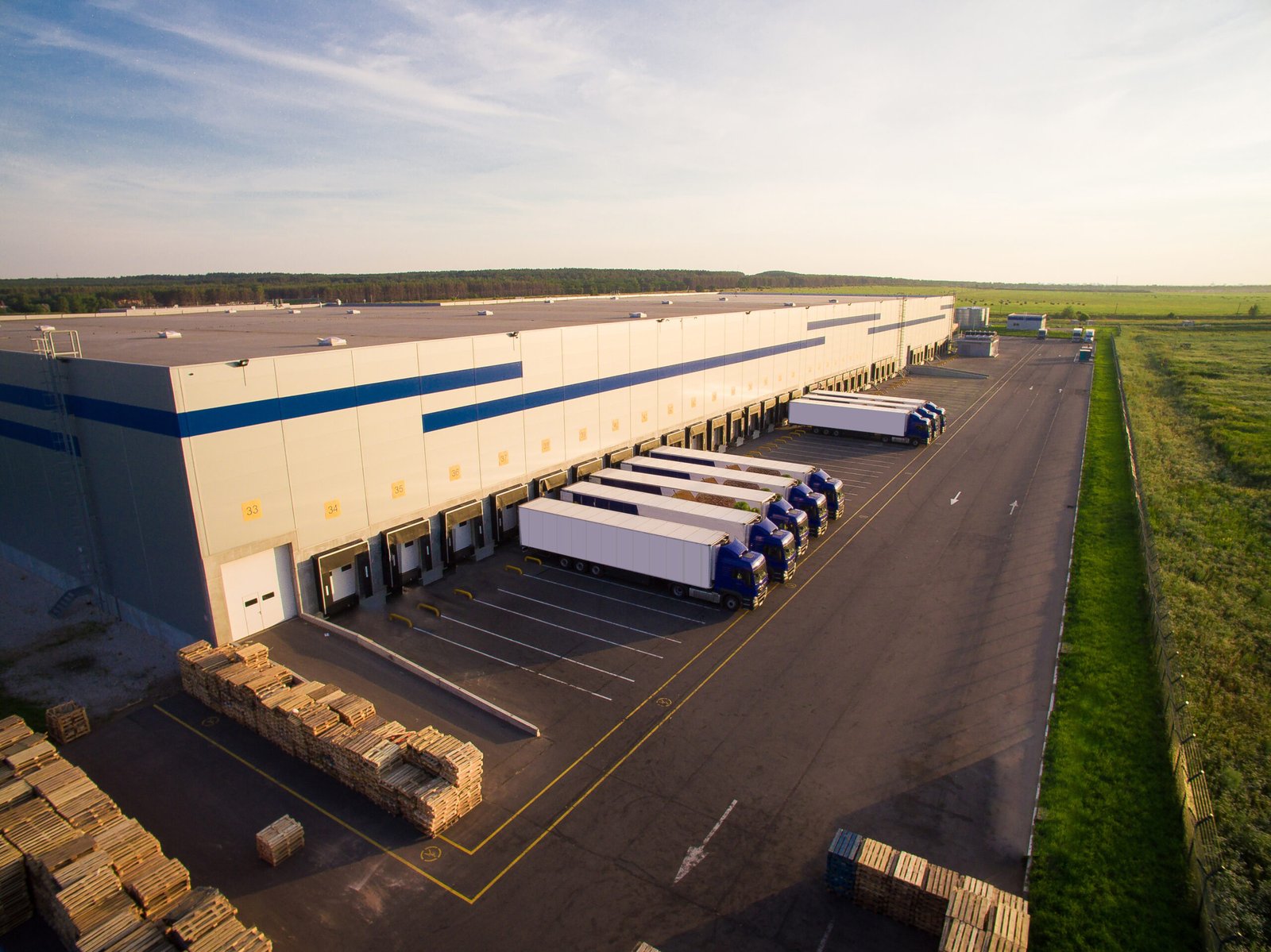
Out at Santa Teresa, private builders were putting up speculative warehouses of 365,000 and 135,000 square feet in 2022, and that tells you a lot about how warehouse space gets built in Doña Ana County. Somebody bets on the location, the shell goes up fast, and the tenant shows up with a rack layout that nobody planned for. We build warehouses with that reality in mind, for owners who already have a tenant and for owners who are still looking for one.
The Valley has more going for it than most people give it credit for. The City of Las Cruces Innovation and Industrial Park at the I-10 and I-25 junction lists more than 400 acres shovel ready and another 500 acres for lease or purchase, and it sits inside Foreign Trade Zone 197. Down on the border, the 1,100 acre Santa Teresa Gateway Rail Park is served by the Santa Teresa Southern Railroad, which interchanges with Union Pacific. Different dirt, different utilities, different buyers, same basic question: how much building do you need, and how soon?
A warehouse looks simple from the road. A big slab, tall walls, a row of dock doors. The money is in the decisions made before the first load of base course arrives, and we like to sit down with you early and talk through them like neighbors, not like a vendor with a brochure.
Where warehouse space is getting built around here
Two submarkets do most of the work. The first is Las Cruces itself, where the Innovation and Industrial Park sits beside Las Cruces International Airport and gives a warehouse user quick access to both interstates, which matters if the building will turn into a distribution center once volume grows. The park is zoned industrial, so the usual fight over land use is already settled for you. The second is Santa Teresa, where rail, the port of entry and cross-border freight pull in larger shells and longer leases.
Smaller communities matter too. Hatch and the farm towns up and down the Mesilla Valley need storage for packing, seed and equipment, and those buildings tend to be 20,000 to 60,000 square feet instead of several hundred thousand. We build both ends of that range, and we will tell you honestly which of our warehouse construction approaches fits the size you have in mind.
What goes into a warehouse shell
The structure is usually tilt-wall concrete or a pre-engineered steel frame, and the right answer depends on height, schedule and budget rather than habit. Tilt-wall concrete gives you a heavy, quiet building with strong fire ratings, and it suits the larger shells that take big footprints and tall walls. A pre-engineered metal building goes up faster for smaller footprints and lets you add bays later without tearing anything apart.
Beyond the shell we handle the slab, the dock packages, the roof, the fire protection tie-ins, lighting, and the office or mezzanine that every warehouse eventually wants. Dock height, leveler capacity and the number of doors per thousand square feet are worth settling with your operator before bid day, because changing them after the slab is poured is an expensive way to learn.
Codes, occupancy and the fire protection question
New Mexico's 2021 Commercial Building Code, issued under the Construction Industries Division, adopts the 2021 International Building Code as amended and took effect July 14, 2023. Under that code a storage building is classified by what you put in it, and the commodity drives sprinkler design, allowable area and egress. Tell us early whether the racks will hold plastics, paper, tires or food, because a change in commodity after design can mean a different sprinkler system and a redesigned water supply.
Electrical work falls under the 2020 New Mexico Electrical Code, which adopts the 2020 National Electrical Code as amended, and energy compliance follows the 2021 Commercial Energy Conservation Code. We bring the engineer, the fire marshal and the inspector into the conversation before permit submission, since the quickest way to lose a month is a plan review that comes back with questions we could have answered in a meeting.
Desert site issues that change the budget
The ground in the Mesilla Valley and out on the mesas does not behave the same way. Valley soils can be soft and wet near the river and irrigation ditches, while the mesa sites around Santa Teresa tend to be drier but carry their own caliche and grading surprises. A geotechnical report before you commit to a slab design is not optional in our book. Las Cruces averages roughly nine inches of rain a year, but the arroyos around town carry real water after a heavy thunderstorm, so drainage planning belongs in the first sketch of the site, not the last.
Heat and wind are part of the job as well. June highs average above 96 degrees and spring afternoons can bring blowing dust, which affects when we pour, how we cure and how we protect finished work. The commercial concrete floors crews we coordinate pour early, cure carefully and keep a close eye on flatness numbers when racking or narrow-aisle trucks are part of your plan.
Schedule: what really controls the calendar
For most warehouses the calendar is controlled by three things: permit review, long-lead materials and the weather window for the slab and walls. We work backward from the date you need the building and tell you early if something does not fit. Dock equipment, roof top units, electrical gear and overhead doors can all carry long lead times, so we get those orders placed while the foundation work is still going on.
If you are a developer building on spec, we can phase the work so the shell is done and weathertight while tenant improvements wait for a signed lease. If you are a user with an operation to move, we plan the fit-out, racking delivery and move-in around your shipping calendar. Owners who already have a third-party logistics tenant lined up, or who run their own logistics and distribution operation, usually want the same thing: doors that open on the day promised.
Planning a warehouse in the Valley?
Tell us the footprint, the clear height and where you are looking, and we will talk through site, structure and schedule over coffee. We answer like neighbors, with numbers and a next step.
Questions Owners Ask
Is tilt-wall or a metal building the better choice for a warehouse here?
Tilt-wall usually wins for larger shells, taller clear heights and owners who want a building that holds its value. A pre-engineered metal building usually wins on schedule and cost for smaller footprints, and it is easier to extend later. We price both side by side once we know your clear height and footprint, and we will say plainly which one saves you money.
How much land do I need for a 100,000 square foot warehouse?
A rough rule is that the building covers 40 to 50 percent of the site once you add truck courts, trailer parking, car parking and detention. Detention matters more in the desert than people expect, because storms are short and heavy. Bring us the parcel and we will do a quick test fit before you pay for a full survey.
Can you build in Santa Teresa and in Las Cruces on the same schedule?
Yes, though the sites feel different. Santa Teresa has rail, the port of entry and a lot of open land, while the Las Cruces industrial park gives you the interstate junction and airport next door. Utility availability and annexation questions can differ, so we confirm water, power and sewer capacity before we promise a date.
What does a warehouse cost per square foot in the Valley?
We will not quote a number without seeing your height, floor loading, dock count and fire protection needs, because those swing the price more than the town does. What we can do is give you a budget range after one meeting and refine it as drawings firm up. Early pricing also exposes whether your wish list is fitting your budget.
Do you handle the trucking and dock apron work too?
Yes. Truck courts take a beating from loaded trailers and landing gear, so we design heavy concrete aprons rather than asphalt wherever trailers will sit and turn. It is usually cheaper to pour concrete once than to patch asphalt every few years.