Industries We Serve
General Contracting
Las Cruces, NM
Las Cruces, NM
School, Campus and College Construction for Education Institutions
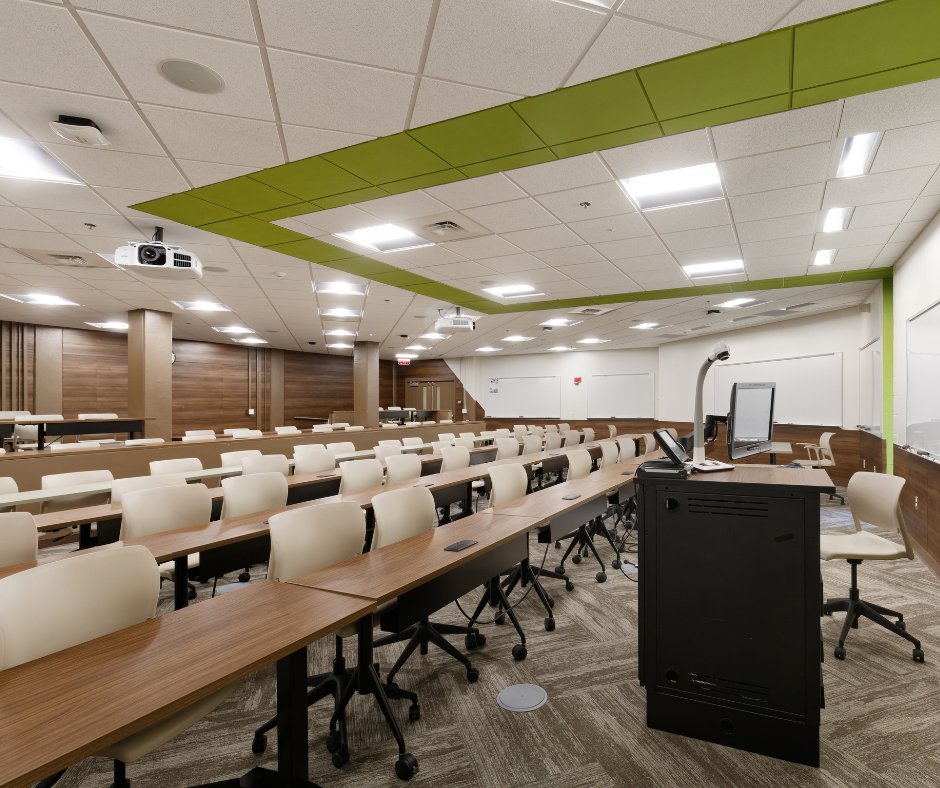
Classes start whether or not the building is finished. That one fact shapes everything we do for schools, colleges and training programs in the Mesilla Valley. A classroom wing that opens three weeks late means portable buildings, split schedules and unhappy families. A dormitory that is not ready in August means students without beds. We work backward from the first day of class and protect that date with early orders, realistic float and honest reports.
Education is a large part of the local economy. New Mexico State University reported fall 2025 enrollment of 23,888, including 16,076 on the Las Cruces campus, whose core covers 900 acres beside I-25 and I-10. Las Cruces Public Schools and Dona Ana Community College are also among the city's major employers, and the Gadsden Independent School District serves Anthony, Vado and Chaparral. Those institutions are our neighbors, and their buildings are some of the most visible in the county.
Our experience covers new schools, additions, science and technology labs, athletic and fine arts space, student housing and renovations of older campus buildings that have to keep operating.
Building Around the Academic Calendar
The calendar for school work has a rhythm. Summer is the main construction window for existing campuses, and most of the work has to be finished before staff return in early August. Winter and spring breaks offer shorter windows for utility cutovers and flooring. We lay out these windows at the start of a project and decide which tasks must be done in each one.
For new buildings on open ground, the clock is different. Foundations, structure and the building envelope can proceed during the school year if we keep the site fenced, deliveries timed and noise away from the nearest classrooms. The education facility construction crews we coordinate coordinate with principals and campus facilities leaders so the site feels managed to teachers and parents.
What Is Happening on Campuses and in Districts
University and community college projects keep the county busy. NMSU reports about $150 million per year in externally funded research programs, and its Arrowhead Park lists a Dona Ana Community College Creative Media Technology Building and a planned film and television soundstage complex, for which design-build proposals were due April 18, 2025. Those projects show how education, industry and public investment can overlap on a single site.
School districts face a different pressure. Enrollment shifts as neighborhoods grow, and communities like Chaparral, with 16,551 residents at the 2020 census, need schools within reach. In Hatch Valley Public Schools, villages such as Salem and Garfield depend on small campuses that mean a great deal to local families. We build on the NMSU campus and in Arrowhead Park, and we are comfortable in smaller towns as well. A small-district project may be the only major construction in a village that year, so the community watches it closely, and we treat the fence line, the street and the neighbors with that in mind.
The Buildings We Build for Education Owners
School work covers classrooms, gyms, cafeterias, libraries, labs, administration offices and bus areas. We handle new construction, additions and phased modernizations, and we pay attention to the details that matter in daily use: durable finishes, easy cleaning, secure entries and sightlines that help staff see students. For university and college owners we also build research and teaching labs, performance halls and student housing.
Our approach to school work includes a design review with the people who will use the room. A science teacher can tell you where the sinks should go, and a custodian can tell you which floor will take a mop. We write down what we hear and bring it into the drawings when the architect is still open to changes. A walk through a similar room at a nearby school, with the staff who use it every day, is often worth more than another round of drawings.
Public Money, Fixed Budgets
Education budgets are usually set before the design is finished, by bond, appropriation or grant, and they cannot grow when a bid comes in high. We therefore give cost feedback during design, not after it, with alternates that let the owner choose what to buy and what to defer. Typical alternates include finish upgrades, athletic features, site amenities and phase two components.
Procurement for public education owners follows public bidding or a qualified procurement method, depending on the project. Our cm at risk approach helps when an owner wants a guaranteed maximum price and early contractor input. In many cases, a college and a nearby government and public sector agency share infrastructure, so we plan utilities that serve both.
Keeping Students, Staff and Visitors Safe
Construction next to children and young adults needs a safety plan beyond a typical job. We use background-screened workers when the owner requires it, control entries with signs and fences, and keep tools, materials and vehicles out of student routes. Fire alarms and exits remain in service, and nothing blocks bus loops or drop-off lanes.
We also care about noise, dust and fumes. We schedule loud work around testing periods, protect air intakes and keep finishing products with strong odors away from occupied rooms. Developers who plan student apartments near campus can read about how we work with multifamily developers, since many of the same safety habits apply.
Bring Us Your Calendar and Your Budget
Tell us the first day of class you need to hit and the funding you have. We will review the scope, propose a schedule and give you a price range with options. Call or send a quote request to set up a campus or site visit.
Questions Owners Ask
Can you finish a classroom addition by August?
Often, yes, if the project starts early enough and long-lead items are ordered immediately. We build a backward schedule from the first day of class and identify what could threaten it, such as windows, electrical gear and roofing. We tell the owner which risks are real and what we can do about them.
How do you build near an operating campus?
We separate the work zone from student paths, schedule deliveries outside drop-off and pickup times, and maintain fire access. A weekly meeting with the principal or facilities director covers what is coming and what has changed. Crews wear identification, and visitors check in.
Can you work with a design-build competition like a film soundstage?
Yes. Design-build proposals require early cost and schedule input from the contractor. We join the team during the proposal stage, review the program and site, and provide a guaranteed price with a clear list of assumptions. That helps the owner compare proposals on a fair basis.
How do you handle a summer shutdown with a tight window?
We break the scope into tasks that can run in parallel and put the ones with the most risk first. Flooring and ceilings wait until the roof and mechanical work is finished, and we order materials early enough to stage them on site before the school year ends. Weekly walks with district staff keep everyone aware of what is on track.
What is your approach to small-town school projects?
We treat them with the same care as larger projects. Smaller towns often have fewer trades nearby and longer delivery routes, so we plan travel, staging and inspection access carefully. We also make sure local officials and families can see the progress.