What We Cover
Services
Commercial, medical, school, public and industrial construction services.
Building Types
Warehouses, plants, offices, clinics, schools and civic buildings.
Industries
Developers, property managers, healthcare systems, schools, public agencies and manufacturers.
Service Areas
Las Cruces, Mesilla, Santa Teresa, Sunland Park, Deming, Anthony and Hatch.
Preconstruction
Budgets, takeoffs, long-lead items and value engineering before work begins.
Permitting
Zoning, site plan, drainage and building permit coordination.
Our Approach
If you have driven Interstate 10 through the Mesilla Valley in July, you already know the first rule of building here: the sun gets a vote on every decision. General Contractors of Las Cruces is a commercial and industrial builder that works the way good neighbors work. We show up, we say what we see, and we price a job with the heat, the soil and the calendar in mind. This page explains what we build, where we build it and how a project runs when you hire us. No slogans, just the things you would ask about over coffee.
We are a general contractor for owners who need a building they can open, lease or run. That covers offices and medical space, schools and public buildings, retail and restaurants, warehouses and light manufacturing, and the site work underneath all of it. On every job we manage the specialty trade partners for each scope, and we tell you at the start who performs which scope, so nobody learns about a subcontract in the middle of a pay application.
Who we build for
We work with developers and property managers who need tenant space, retail operators, healthcare groups, hospitality owners, multifamily developers, manufacturers and public agencies.
Universities, school districts and community colleges buy buildings through formal procedures and answer to boards. Our work for education institutions is built around that: clear scopes, a procurement record that holds up to review and summer-break windows that do not slip.
A border logistics tenant may sign a lease with a delivery date attached. We support logistics and distribution owners with site-first planning, durable slabs and docks that suit the product.
A hangar is a building where the door, the roof span and the slab all matter at once. We build aircraft hangars for private owners, operators and public agencies who want a clean, durable result.
Start with a conversation
If you have a lot, a lease, a set of drawings or just a good idea and a budget, send it over. We will tell you what we see, what it might cost, what could surprise you and what the next step looks like. If the project turns out to be a better fit for another approach, we will say that too. Our pages on services, industries, building types and the communities we serve go deeper on each topic, and you are welcome to read them before you call.
What kinds of projects does General Contractors of Las Cruces take on?
We build commercial and industrial projects across Las Cruces and Dona Ana County, including offices, medical and education buildings, retail, restaurants, hotels, apartments, warehouses, distribution centers, manufacturing plants and aircraft hangars. We also handle site development, concrete work, tenant improvements, renovations and demolition, and we can deliver a project through design-build, construction management or traditional bid-build.
Do you work outside the city of Las Cruces?
Yes. We take projects throughout the Mesilla Valley and the surrounding area, including Santa Teresa, Sunland Park, Anthony, Mesilla, Hatch, Deming and Columbus. Distance changes how we plan deliveries, crews and inspections, so we account for it in the schedule and the price from the first conversation.
How do you handle summer heat on concrete and steel work?
We plan for it before the work starts. Pours are scheduled for the cooler parts of the day, curing is planned in advance, materials are staged out of direct sun and crews follow heat-safety routines. For slabs, that planning is part of the price and the schedule, not an afterthought.
Can you build while our facility stays open?
Yes. Clinics, schools, stores and offices often cannot close, so we phase the work with separate entrances, dust and noise controls, planned utility shutdowns and regular updates to the people inside. We map the phases before construction begins so everyone knows what changes and when.
What should I bring to a first conversation?
Bring whatever you have: a site address, a lease, a sketch, a program, a target budget or a completion date. We can work from rough information, give you an early cost range and tell you what drawings, surveys and approvals the project will need next.
The Valley our clients live and work in
Las Cruces is where Interstate 25 ends. The highway starts at the I-10 interchange just south of the university, and from there the Valley opens up in every direction. The Rio Grande runs west of town through the Mesilla Valley, the city sits at roughly 3,908 feet, and farmland, pecan orchards, dairies and vineyards still line the old road along NM 28. That mix of agriculture, university, hospital, government and border trade shapes the projects our clients bring to us.
The employer list tells you who needs buildings. New Mexico State University, Las Cruces Public Schools and the City of Las Cruces head the list, followed by Memorial Medical Center, MountainView Regional Medical Center, Dona Ana County and Dona Ana Community College. In fall 2025 the Las Cruces campus of the university enrolled 16,076 students, and a campus that size is always adding, remodeling or repairing something.
What we build, in plain terms
Buildings for people. Offices, medical office suites, clinics, classrooms, restaurants, hotels, apartments, senior living, municipal buildings and retail centers.
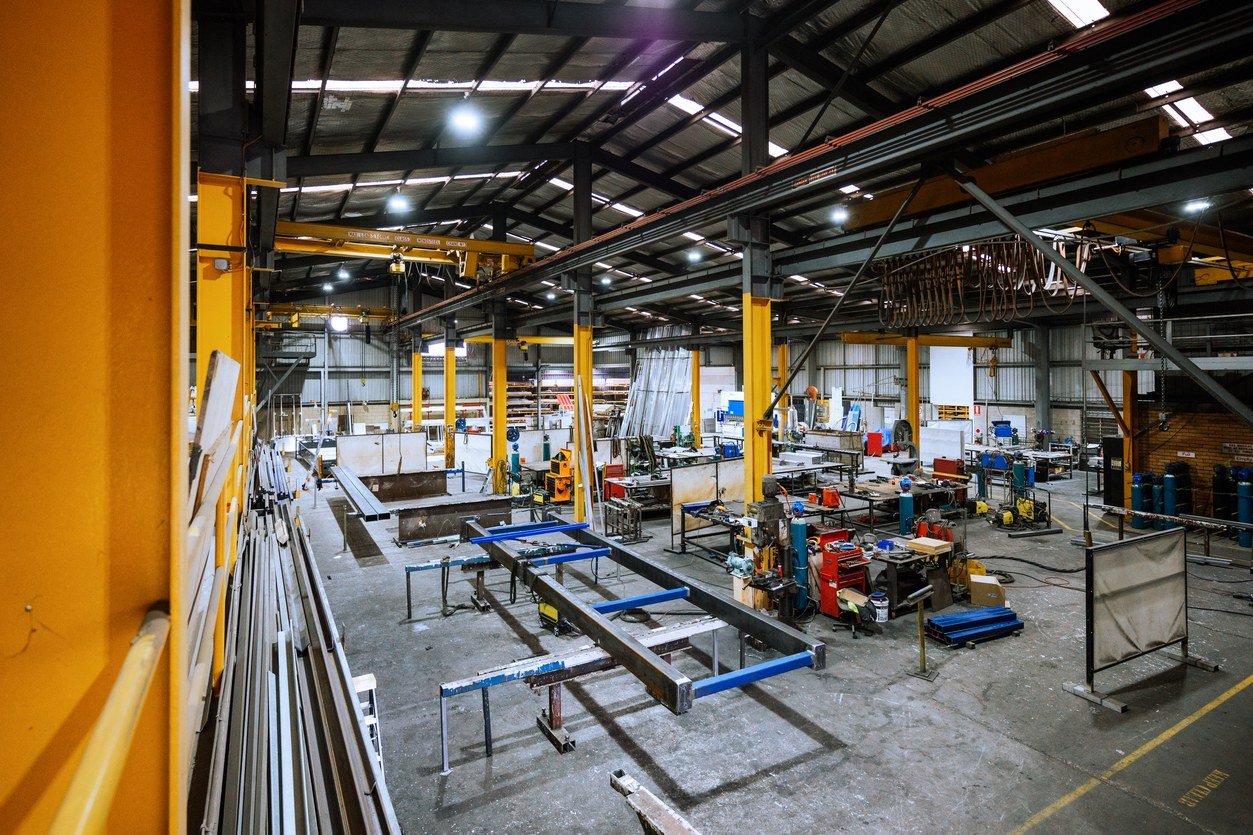
Buildings for freight and production. Warehouses, distribution centers, cold storage, tilt-wall shells, pre-engineered metal buildings, clear-span frames, crane buildings and manufacturing plants. For heavy slabs we plan commercial concrete floors early, because a floor that has to carry racking and forklifts is a structural decision long before it becomes a finishing task.
Site and civil work. Mass grading, utilities, stormwater, paving, truck courts and parking. Drainage gets drawn, priced and checked before the first dirt moves.
Delivery and management services. Preconstruction estimating, permitting, long-lead procurement, commissioning and closeout. We offer design-build delivery alongside construction management and traditional bid-build.
SERVICE AREAS
Where we work, from Hatch to the border
Most of our work sits along three roads. Interstate 25 runs north from the city through Dona Ana, Radium Springs, Rincon and Hatch. Interstate 10 runs south and west through Mesquite, Vado, Berino and Anthony, and it runs east to west across the county toward Deming. NM 28 follows the river through Mesilla, La Mesa, Chamberino and La Union, passing the historic plaza that was named a National Historic Landmark in 1961.
The industrial story is in the south. Santa Teresa has a port of entry and a 1,100 acre rail park, and the county jetport sits about four miles to the northwest. Closer to the city, the Innovation and Industrial Park at the I-10 and I-25 junction lists more than 400 acres ready for development next to Las Cruces International Airport. We build for owners in both places, and for owners in Sunland Park, Anthony and Chaparral who want to be near the same freight.
The institutional story is on the east side. Our project teams are familiar with the area around the NMSU campus, the medical district on North Main Street, Arrowhead Park along the interstates, Mesilla Valley Mall and the downtown pedestrian mall on Main Street.
Farther out, we take work in Deming and Columbus, in Hatch and Salem, and plan material deliveries, crew travel and inspections around the distance.
Heat, ditches and the things the drawings forget
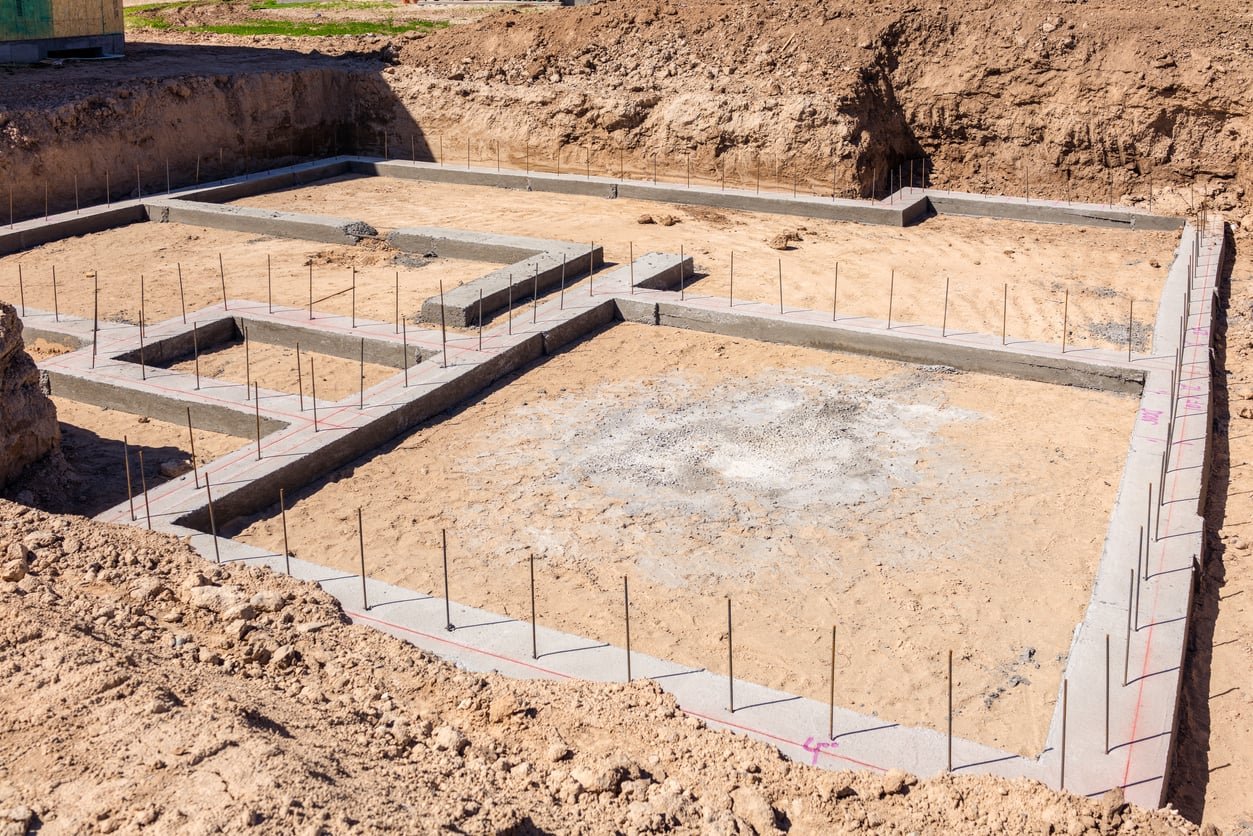
Concrete is the obvious one. A slab placed on a summer afternoon behaves differently from one placed at dawn, so we schedule pours for the cool part of the day, plan curing before the truck arrives and keep a water source and shade close to the placement. Steel and roofing crews start earlier and stage materials out of direct sun.
Water is the other one. The Valley is organized around irrigation districts, and ditches, laterals and easements cross sites that look empty on a map. Before we trench or grade, we find out who owns the water infrastructure and what they require. Stormwater is handled with the same early attention, because a retention pond that is sized late is a retention pond that eats a parking lot.
And then there are the buildings that never close. When a clinic, a school or a store has to keep operating, we use phased construction on occupied sites: separate entries, dust barriers, planned utility shutdowns and a short weekly note telling the people inside what will change next.
How we run a project
First we listen and ask questions about use, budget, schedule and who has to approve what. Then we price early, even if the drawings are rough, because a number on day one is more useful than a perfect number in month three. We bring trade partners into the conversation before the budget locks, since the person who will pour the slab usually has a better idea about the slab than anyone else.
Permitting runs alongside design. New Mexico enforces the 2021 New Mexico Commercial Building Code, which is based on the 2021 International Building Code and took effect in July 2023, and electrical, energy, plumbing and mechanical rules are updated on their own schedules. We keep the current editions straight and talk with the building official early.
During construction we run a plain weekly rhythm: a look-ahead schedule, a cost report, open questions in writing and a safety walk. When something goes wrong, you hear about it from us first, along with a proposed fix. At the end we organize closeout documents, run commissioning and walk the building with you until the punch list is empty.