Industries We Serve
General Contracting
Las Cruces, NM
Las Cruces, NM
Public Sector Construction for City, County and Government Owners
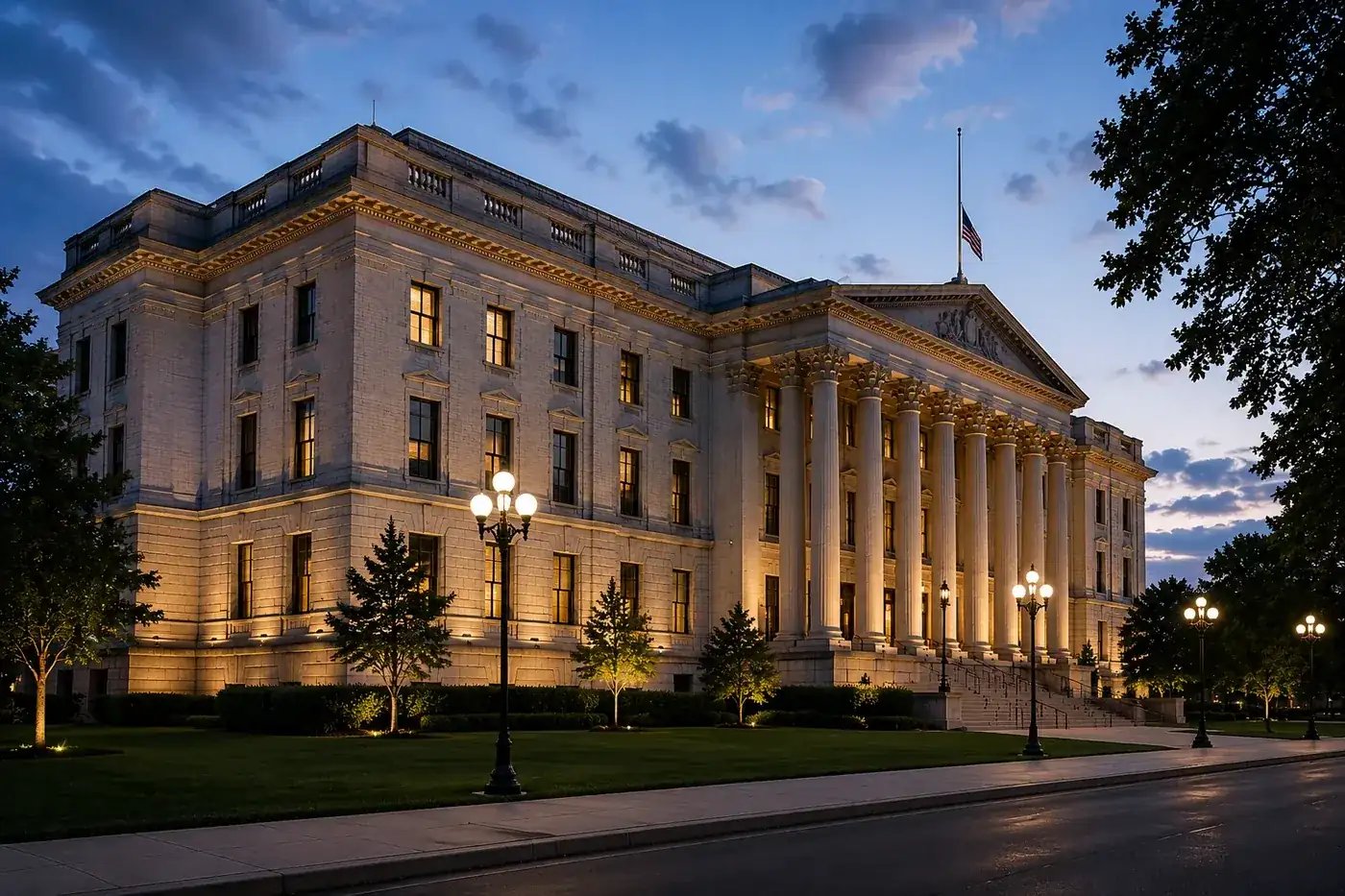
Public money moves on a calendar that private owners never see. A bond passes, a grant is awarded, a legislature appropriates, a council approves a bid, and then a building has to appear within the funding window. For a city or county project in Dona Ana County, the contractor's job is to turn that sequence into steel, concrete and a certificate of occupancy without losing the paper trail along the way.
We build for municipalities, counties, airport authorities, special districts and other public agencies. Typical work includes city and county offices, public safety buildings, community centers, hangars and airport facilities, maintenance yards and civic renovations. The details change from one agency to the next, but the same expectations hold: a clear price, a procurement record that will stand up to an audit, and a building that serves the public for years.
We treat a public project as a trust. Taxpayers pay for it, staff use it and the community judges it, so we communicate in a way that your board, your council or your grant officer can follow.
Codes, Licensing and Public Procedure
Public buildings in New Mexico follow the 2021 New Mexico Commercial Building Code, which adopts the 2021 International Building Code and took effect July 14, 2023, along with the 2020 Electrical Code and the 2021 Commercial Energy Conservation Code. The Construction Industries Division enforces them. A general contractor taking a significant commercial or residential building scope in the state operates under a GB-98 General Building classification, which requires four years of foreman-level experience, at least two of them commercial.
On top of building codes, public work brings procurement rules, bonding, insurance, payroll reporting and, where federal money is involved, additional documentation. We read your bid documents closely, ask questions before the deadline and organize our proposal exactly as your instructions say. A missed form can disqualify a low bidder, and we work hard not to be that bidder.
Working With Agency Staff and Boards
Public projects have more stakeholders than most private ones: facilities staff, department heads, a finance office, an elected board and often the public. We prepare for that by keeping information short, current and easy to forward. Our monthly reports show budget, schedule, change orders, upcoming decisions and photographs, and they are written so a board member can read them in a few minutes.
We also bring practical advice. If a program has more wants than money, we help sort them into a base scope and alternates. If a site has constraints, we say so before the council takes it up. Agencies that also run clinics or schools often compare notes with our work for healthcare systems, since public hospitals and health districts face many of the same rules.
Civic and Airport Investment in the Metro
Public investment in the metro is visible in several places. The City of Las Cruces owns Las Cruces International Airport, where in 2021 utilities, lighting and taxiways were being extended on the east side to support hangar development, and where the master plan update added aerospace as a focus. Dona Ana County owns the Jetport near Santa Teresa, where a $9 million renovation was completed in 2020 and where the runway is 9,550 feet long.
Border infrastructure is also public work. In May 2022, $500,000 in federal funds was allocated to upgrade the Santa Teresa Port of Entry, and the city's Innovation and Industrial Park is covered by Foreign Trade Zone 197. We follow these programs closely and talk with owners about how our Las Cruces airport and Jetport knowledge applies to their needs.
How Public Budgets Behave
Public budgets often combine sources, such as local funds, state appropriations and grants, each with its own rules and timing. We help owners build a cost plan that tracks which dollars pay for what, so a reimbursement request is not held up by a line item that does not fit. We also show contingencies clearly, so an owner can decide how much to hold for unknowns.
Escalation is another concern. A project that spends a year in design and bidding can see material prices change, so we advise on bid timing and on early purchase of long-lead items. For owners who want a contractor involved early, a construction management at risk approach gives a guaranteed price with open books, while a design-build approach lets an agency set one team responsible for both.
Building Types and Services Public Owners Use Most
Government owners tend to need a wide range. A city may build an office, a fire station and a recreation center in the same year, and a county may add a courthouse annex, a jail renovation and an airport hangar. Our municipal government construction experience is designed for that variety, and the government and municipal building type page explains how we plan civic facilities.
We also support agencies that work with industry. A county that pursues warehouse and logistics tenants near the border may rely on us for infrastructure and shell planning, and our understanding of logistics and distribution owners helps when we talk through tenant requirements with an economic development office.
Talk With Us Before the Solicitation Is Out
If your agency is planning a building, we would like to hear about the program, the funding and the schedule. We can help you think through delivery methods, budgets and risks before the bid documents are final. Call or send a quote request.
Questions Owners Ask
How do you handle public bidding rules?
We read the instructions to bidders carefully, attend pre-bid meetings and submit questions in writing before the deadline. Our proposal follows the format requested, with every form signed and every addendum acknowledged. If a requirement is unclear, we ask rather than assume. That discipline protects both the owner and the integrity of the bid.
Can you work with a grant or federal funding source?
Yes. We keep records in the format grant administrators expect, including certified payroll where it applies, material tracking and photographs. We also coordinate with the agency's staff so draw requests and reimbursements line up with project milestones. Early conversations about the funding source save trouble later.
What if the funding window is tight?
We build a schedule that shows the date funds must be spent and work backward from it. We identify long-lead items, permit review time and weather-sensitive work, and we propose a plan to reduce risk. If the window is truly unrealistic, we say so before the contract is signed.
How do you keep the public informed during construction?
We can provide signs, regular updates and a contact for neighbors. For visible projects such as a civic center or an airport terminal, owners often want photographs and schedule highlights for their website or board meetings. We supply those on request.
Do you build at airports?
Yes. Airside work has special rules for access, equipment height and safety, and we coordinate with the airport manager before mobilizing. Hangars, aprons, fencing and utility extensions are all part of a typical airport scope.