
Service Areas
General Contracting
Las Cruces, NM
Las Cruces, NM
Hangar and Aviation Facility Construction at Dona Ana County International Jetport
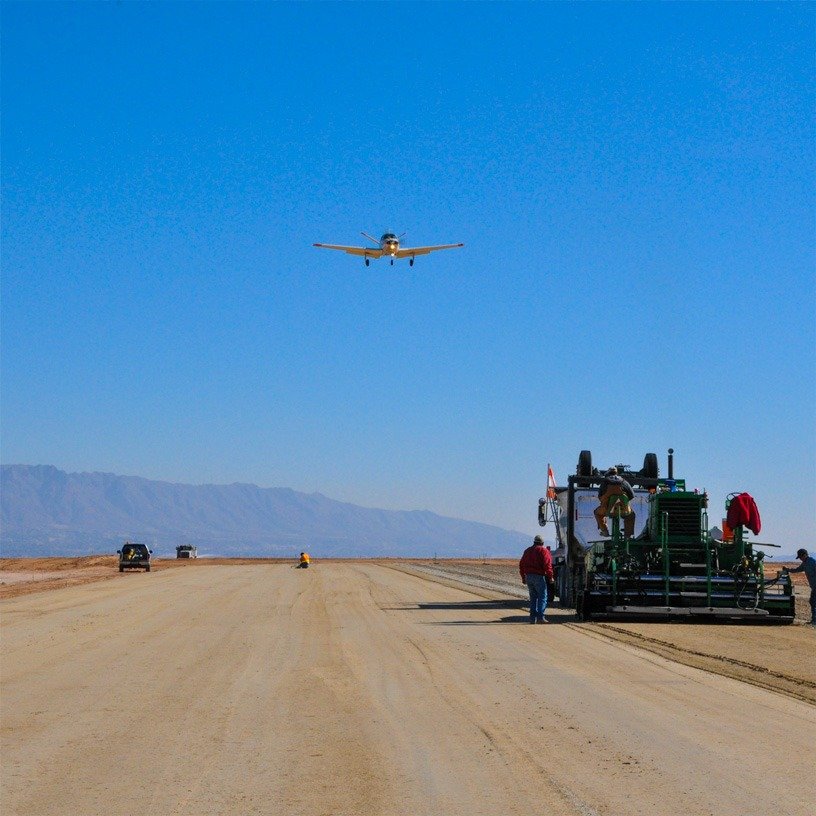
One 9,550-foot runway, about 170 acres and a steady mix of flight training, hangar owners and a museum make the county's jetport a practical place to build aviation facilities. Dona Ana County International Jetport (KDNA) is a county-owned airport about four miles northwest of Santa Teresa, with a 9,550 by 100 foot asphalt runway at 4,113 feet elevation. We build the hangars, shops, classrooms, aprons and utilities that tenants need to make that runway earn its keep.
A $9 million renovation of the Jetport was completed in 2020, which tells owners that the field has been maintained and invested in. Tenants listed on the airport's record include an air museum, a flight academy, a local experimental-aircraft chapter and a skydiving operation, with 130 based aircraft in the twelve months ending April 8, 2023. That is a varied customer base, from training and recreation to display, and it generates varied building needs.
Each tenant type asks for something different. A flight school wants hangar space for trainers, classrooms for ground school and an operations desk. A museum wants large clear spans, visitor facilities and parking. A skydiving operation wants a hangar, a packing area and a staging space near the ramp. We design to the use and we coordinate with the county, which owns the airport, to make sure plans meet its leasing and design requirements.
A County Field Near the Border Industrial Cluster
The Jetport sits near the Santa Teresa industrial area, which has a Port of Entry, a 1,100 acre rail park and a Union Pacific intermodal terminal. In May 2022, a local news report said the Santa Teresa airport would receive new hangars and a cargo-only runway, and that private builders were constructing speculative warehouses of 365,000 and 135,000 square feet. We treat those as reported plans, and we advise owners to verify current status with the county.
What matters for a builder is the pattern. An airfield beside a growing logistics area attracts cargo, maintenance, air-freight forwarding and corporate flight activity, and each of those needs hangars, offices and trucks to reach them. Our Santa Teresa work on warehouses and yards pairs naturally with the aviation work at the Jetport.
Foundations, Slabs and Steel We Manage
We coordinate the trade partners who place the concrete, erect the steel and frame the buildings that aviation tenants use. Hangar slabs need flatness and strength to carry aircraft and tugs, and aprons need joints and reinforcing that handle point loads. Because we schedule and inspect the concrete work, we control the details that make the difference between a floor that lasts and one that cracks.
For metal hangars, we pair the manufacturer's package with foundations built to its reactions, including anchor bolts set to template. Doors are the other critical piece. Bifold, hydraulic and sliding doors all have different loads and clearances, and we coordinate the opening size with the aircraft's tail height and wingspan. See our clear-span rigid frame buildings and aircraft hangar pages.
What We Build at a County Airfield
A first hangar is often a single-aircraft box or a corporate hangar with an attached office. Larger buildings follow for flight schools and maintenance shops, and visitor facilities for museums and events. We also build the support structures an airfield needs: fuel-farm slabs, equipment sheds, perimeter and access improvements, and parking.
Utilities usually require attention, since a remote field may have limited power, water and communications. We coordinate with providers and the county early, and we price extensions as separate line items. When a tenant wants to expand later, we leave capacity in the system so that a second building does not need a second trench.
Airside Safety on a Working Field
Even a county field with one runway is an active airport. We follow the owner's rules for access, escort and communication, mark equipment, control foreign object debris and keep crews out of runway and taxiway safety areas. Skydiving and flight training add unusual traffic patterns, so we ask the operators to tell us when the busiest times occur and plan work around them.
Cranes and tall equipment are checked against protected airspace before they arrive. Daily briefings, spotters at crossings and a clear line of communication to airport staff keep everyone aware of what is happening on the ramp. Safety is not an add-on at an airport. It is the first item on the schedule.
Where Aviation Budgets Go
The building package is often the largest single item, followed by doors, slabs and utilities. A hangar door is a major cost item, and a larger opening raises both the door price and the structural steel needed over it. We price door options early so that owners can choose between function and cost.
Site work can surprise. Remote airfields may need drainage, fill, access roads or power extensions that change the budget substantially. We walk the site with owners before pricing, check what the county will provide and show the effect of each choice. For a tenant with a ground lease, we also price the cost of returning the site at the end of the lease.
Two Airports, One Builder
Owners often compare this field with Las Cruces International Airport, which is city-owned and sits next to an industrial park. The Jetport is county-owned and near Santa Teresa, with a single long runway and a different tenant mix. We build at both and we give you an honest comparison.
Logistics and aviation businesses that need warehouse space as well as hangars should read about our work for logistics and distribution clients. For developers considering a mixed aviation and industrial campus, Sunland Park nearby adds another option.
Plan Your Hangar or Aviation Building
Send us the aircraft, the use and the ground you are considering. We will review the lease, sketch the building and give you a budget with the door, slab and utility costs shown separately.
Questions Owners Ask
Can you build a hangar on county land under a lease?
Yes. County-owned airports commonly lease ground to tenants, who build and own the hangar. We review the lease for design standards, term and reversion, and we coordinate with the county on approvals.
What does a museum or flight school building need?
A museum wants a large clear span, visitor entrances, restrooms and parking. A flight school wants hangar space, classrooms and an operations area. We design the building around the use and we coordinate accessibility, fire protection and utilities.
Is the runway long enough for larger aircraft?
The runway is 9,550 by 100 feet, which is long for a county field. The building should still be sized to the aircraft you plan to house, so we confirm wingspan, tail height and door clearance with you before drawings start.
What is the 2020 renovation and why does it matter?
A $9 million renovation of the Jetport was completed in 2020. For tenants, it means the airport's core systems have been invested in, although each tenant is still responsible for its own building and utilities.
Which building code applies to a hangar?
Commercial buildings in New Mexico follow the 2021 New Mexico Commercial Building Code, which adopts the 2021 International Building Code as amended and took effect July 14, 2023. We confirm the edition and any airport-specific design rules before pricing.