Building Types
General Contracting
Las Cruces, NM
Las Cruces, NM
Medical Office Building Construction in Las Cruces and Doña Ana County
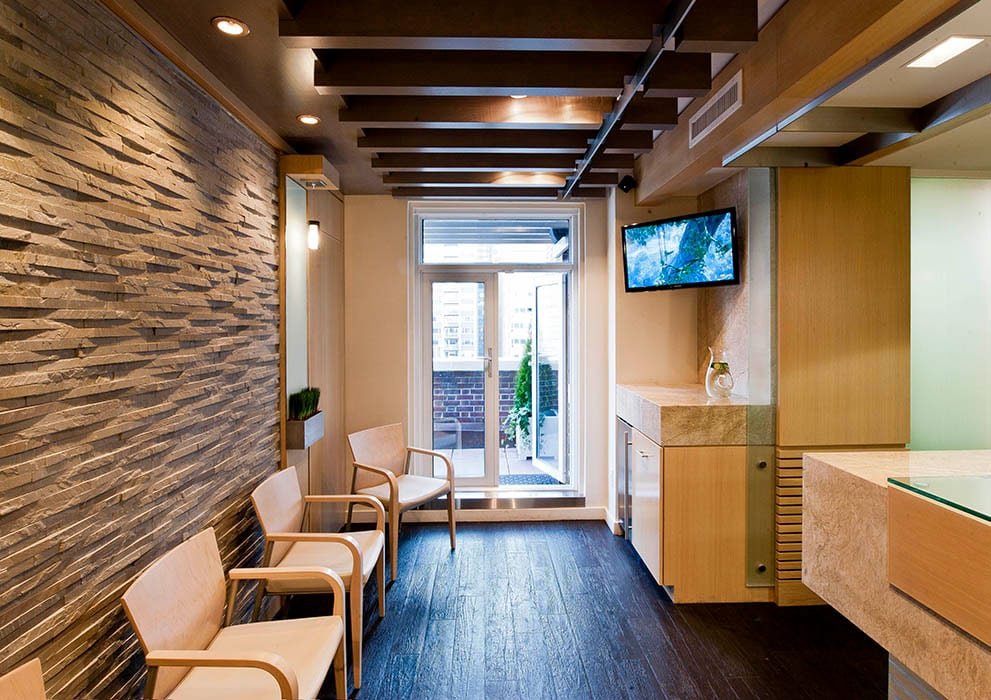
A freestanding emergency center with ten private patient rooms cost MountainView Regional Medical Center more than $10 million to build on North Main Street, and it tells you how far outpatient care has moved off the hospital campus. People now expect imaging, urgent care, surgery consultations and specialty clinics in buildings that feel like a neighborhood office, with parking at the door and a short walk to the exam room. Building that kind of place is a different job from building an ordinary office, even though the outside can look similar.
A medical office is mostly plumbing, power, ductwork and walls that keep sound in. Every exam room wants a sink, a good quality of light and a door that closes quietly. Imaging rooms want shielding, procedure rooms want tighter air control, and the lab wants waste lines that do not run through a waiting room. The cost of the building is tied tightly to how many of those rooms you plan, and the rooms change with each tenant, so flexibility matters.
We build ground-up outpatient buildings, shell-and-core medical pads for physician groups and finish-out inside existing space around Las Cruces. We tell owners plainly which choices help their patients and which ones only add cost, and we price the upgrades that save a reopening a few years down the road.
What a medical office package really includes
Start with the shell. Medical suites need floor-to-floor heights that allow ductwork, medical gas lines and cable trays above the ceiling, and a structural grid that leaves room to move walls. We lay out column spacing, plumbing chases and electrical rooms with future suites in mind. A slab on grade is typical, with plumbing rough-in coordinated before the pour so we are not trenching through new concrete.
Inside the suite, the scope grows. Exam rooms, procedure rooms, sterilization, labs, imaging, pharmacy storage, nurse stations and waiting areas each have their own requirements for finishes, ventilation and power. Walls between exam rooms are built for sound privacy, and floors are typically sheet vinyl or similar sealed materials with coved bases for cleaning. We keep detailed room-by-room scope sheets so a physician group can see how a decision about one room affects the whole budget. For the full picture of how we handle clinical buildings, see our medical office construction service.
Where the patients and the clinics are
Las Cruces has several hospitals that create demand for neighbors. Memorial Medical Center runs 286 beds out of a 1971 building on South Telshor Boulevard, MountainView Regional is a 168-bed general hospital that opened in August 2002, Mesilla Valley Hospital is a 125-bed psychiatric facility and Three Crosses Regional Hospital opened in 2020 with 46 beds. Physician practices tend to cluster close to those campuses so doctors can move between clinic and bedside, which is the pull behind the MountainView medical district.
Buyers should know that a medical office near a hospital is not the same as one on a quiet commercial street. Near the hospital, parking is tight, deliveries share roads with ambulances and the neighbors have strict ideas about dust and noise. We schedule loud work for the hours when it affects fewest patients and keep access clear to neighboring entrances.
Codes that matter before you draw
Medical office buildings in New Mexico follow the 2021 New Mexico Commercial Building Code, which adopts the 2021 International Building Code and took effect July 14, 2023. Plumbing and mechanical work matters especially in clinics: the Regulation and Licensing Department lists the 2024 New Mexico Plumbing Code and 2024 New Mexico Mechanical Code as effective August 1, 2026, with permits issued under either the 2021 or 2024 edition until January 1, 2027. A job permitted this season can choose its edition, and we help owners decide which makes sense.
When a clinic goes into an existing building, the 2021 New Mexico Existing Building Code comes into play, and that changes which upgrades the building must pick up. Our permitting and entitlement team reviews the occupancy classification, fire separation and accessibility requirements with the jurisdiction before drawings are final, which avoids rework after plan check.
Decisions that save money later
Think about tomorrow's tenant. A cardiology group may leave in ten years, and the next occupant could be a dental practice, a dialysis operator or a primary care clinic. Rough-in capacity for extra sinks, spare electrical capacity and a mechanical system that can be rezoned make that handoff easy. A building that is hard to change is a building that sits empty.
Power matters too. Imaging equipment, sterilizers and refrigeration need clean, reliable service, and many owners ask for a generator or a space to add one. We also coordinate low-voltage systems such as nurse call, data, security and door access early, since those trades share the ceiling space. If the project is a conversion, our office building experience helps us spot where an existing structure will cooperate and where it will fight you. Hospital campuses that need larger work may be closer to hospital construction.
Keeping patients and neighbors safe
Construction next to people who are ill or frail needs more care. When we work inside or beside an occupied medical building, we set up dust barriers, negative air where needed, separate routes for workers and a daily cleaning routine. Infection control risk assessments drive those measures, and we follow the facility's requirements. The ideas appear in our phased construction on occupied sites work, and they carry over to every medical job.
Our field staff also keep an eye on summer heat. With June highs averaging 96.2 degrees Fahrenheit, we schedule outdoor pours and roofing early, give crews water and shade, and watch the weather for afternoon storms in the nearby arroyos. Safe jobs finish on time more often than rushed ones. Health systems that deal with these questions daily appreciate it, and our work for healthcare systems reflects.
Planning a clinic? Let's start with the room list.
Send us your room program, your site and your opening date. We will respond with a budget range, a schedule and the questions your design team should settle first.
Questions Owners Ask
Can we start with a shell and finish suites as tenants sign?
Yes, and it is a common way to reduce risk. We build the shell with plumbing, electrical and mechanical stubs sized for typical medical use, then finish each suite when a lease is signed. The trade-off is that tenant work happens in a building that is already open, so we coordinate hours and protection.
How are imaging rooms different to build?
They need shielding in the walls, doors and sometimes ceilings, structural support for heavy equipment and electrical service sized by the manufacturer. We get the equipment submittals early and coordinate with the physicist or shielding consultant so the walls are right the first time.
Which plumbing and mechanical code edition applies to a clinic permitted soon?
The 2024 New Mexico plumbing and mechanical codes become effective August 1, 2026, and permits may be issued under either the 2021 or 2024 edition until January 1, 2027. After that date only the 2024 edition applies. We review which edition suits the design and the schedule before the permit application goes in.
What about building next to MountainView or Memorial?
The biggest issues are access, parking and noise. We schedule deliveries away from ambulance traffic, protect neighboring entrances and share a regular update with the campus facilities team. Many clinics on hospital grounds are built under those exact conditions.
Do you build medical offices inside existing buildings?
Yes. The first step is a review of the structure, the mechanical systems and the electrical capacity, then a decision about whether the building can carry a clinic without costly upgrades. Sometimes the answer is yes and the savings are real. Sometimes a ground-up building ends up cheaper.