
General Contracting Services
General Contracting
Las Cruces, NM
Las Cruces, NM
Phased Construction on Occupied Sites in Las Cruces
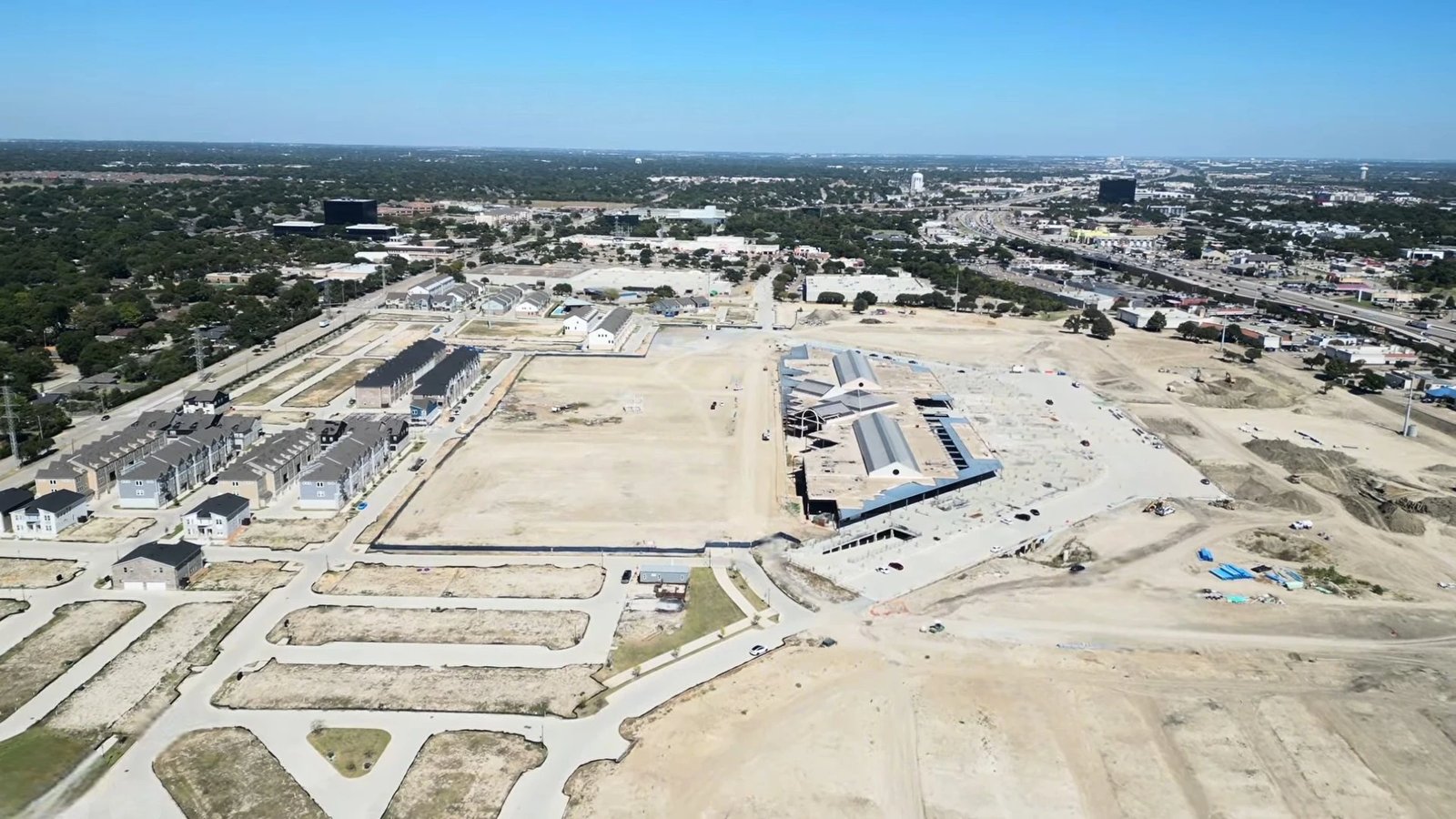
Hospitals do not close for construction, and neither do grocery stores, clinics, schools or the offices where a tenant's staff arrive at eight every morning. Phased construction on an occupied site means building, renovating or expanding while the people inside keep working, shopping, learning or healing. The job is to make the work nearly invisible to them: separate the dust, noise, vibration, traffic and utility shutdowns from daily life, and give occupants a reliable picture of what changes next week.
Las Cruces has plenty of buildings that cannot stop. The city's major employers include New Mexico State University, Las Cruces Public Schools, the City of Las Cruces, Memorial Medical Center, Walmart, MountainView Regional Medical Center, Dona Ana County and Dona Ana Community College, and every one of them runs facilities that stay open through repairs, additions and upgrades.
We plan phasing the way an operations manager would: who is where, when, and what they need to keep doing. Only then do we sequence the carpentry, the concrete and the mechanical work to fit around the people.
Occupied Buildings We Work In
Hospitals set the highest bar. Memorial Medical Center is a 286-bed hospital with a 1971 building on South Telshor Boulevard, and Las Cruces also has Mesilla Valley Hospital, a 125-bed psychiatric facility, and Three Crosses Regional Hospital, a 46-bed hospital that opened in 2020. Work in or beside a hospital means infection control barriers, negative air, protected corridors and tight coordination with nursing and facilities staff, much of which we cover under healthcare construction.
Shopping centers have a different rhythm. Mesilla Valley Mall lists 85 stores and five large tenants, which means dozens of businesses sharing walkways, parking and utilities. Whether the project is a new entrance or a tenant reconfiguration in a retail shopping center, the Mesilla Valley Mall area shows why we schedule noisy work before opening, keep shop fronts accessible and screen construction zones so customers are not walking through a job site.
Protecting the People Inside
Occupied-site safety starts with barriers: solid partitions, dust walls, negative air machines where air quality matters, sticky mats at the exits and clearly marked routes. We keep egress paths and fire exits open, coordinate fire alarm impairments with a fire watch when systems must be shut down and require escorted access in sensitive areas. Everyone on the crew gets briefed on the rules of the building, because the occupants will notice any shortcut.
Schools raise their own issues. For education institutions, we separate construction fencing and delivery routes from student paths, schedule deliveries outside drop-off and pickup, and keep noisy work away from testing periods whenever possible. Hot work permits, lockout procedures and daily site cleanup are standard in every occupied building we enter.
A Phasing Plan Before a Work Plan
We begin with a walk of the building with the facilities manager. We mark which zones stay occupied, which utilities serve them, where people exit and where deliveries come in. From that we draw a phasing plan with a calendar, showing each stage, the area closed, the temporary partitions, the utility tie-ins and the date the space returns to use. Occupants see it before work starts, so they know what to expect.
Communication keeps the plan honest. We name one point of contact, send short weekly updates and give notice before every shutdown. Temporary utilities, alternate entrances and clear signage take the sting out of disruption. The same planning drives our renovation and adaptive reuse work, where the building has to keep earning while we change it.
Night, Weekend and Shutdown Windows
Noisy or disruptive work moves to the hours when the building is quietest, and the schedule reflects that. Core drilling, demolition and tie-ins might happen at night or on weekends, with the crew staged to finish before the building reopens. We build contingency into those windows because an ugly surprise behind a wall at two in the morning should not push a hospital wing back into service late.
Utility shutdowns are scheduled well ahead and rehearsed on paper. Water, power, fire alarm and data tie-ins each have a plan with materials staged, people assigned and a fallback if something does not go as expected. Selective demolition is often the riskiest step, so we scan before cutting, protect adjacent finishes and remove debris through routes that do not cross occupied space.
Dust, Heat and Downtown Mornings
Spring afternoons in Las Cruces can be windy with blowing dust, and an open door during construction invites it inside. We use vestibules, negative pressure and sticky mats, and we coordinate tie-ins to the building's air handling so the cooling load is never lost on a hot day. Occupants notice a warm room faster than they notice a finished ceiling, so we treat temperature as part of the plan.
Access is the other variable. Historic downtown Las Cruces centers on Main Street, where a six-block stretch is a pedestrian mall that hosts a farmers' market on Wednesday and Saturday mornings. A project around the downtown district has to plan deliveries, lifts and street closures around those mornings. We stage parking, laydown and material hoists so neighbors, shoppers and staff can reach the doors.
The Cost of Staying Open
Phasing adds cost, and we say so up front. Temporary partitions, off-hour labor, repeated mobilizations, extra cleaning and a longer overall duration all push the number higher than an empty-building job. The size of that premium depends on how many functions have to stay live, how tight the shutdown windows are and how sensitive the space is.
The alternative is closing, and that has a price of its own in lost revenue, displaced staff and rented space. We help owners compare scenarios side by side, including a faster closure of one wing, a phased approach or a hybrid, so they decide with real numbers. Often the best answer is a short, planned shutdown of a small area combined with phasing everywhere else.
Plan your phasing
Tell us what has to stay open and when it is quietest, and we will sketch a phasing plan, mark the shutdown windows and show you the cost of each approach.
Questions Owners Ask
Can you really keep a hospital wing running during construction?
Yes, with the right preparation. Barriers, negative air, infection-control procedures, protected routes and coordination with the hospital's facilities and nursing staff make it possible. We plan each phase with the owner and keep a close eye on air quality and noise while the work is under way.
How do you keep dust out of an open store?
With solid barriers, negative air where needed, sticky mats, vestibules and daily cleaning. We also seal penetrations and schedule dusty tasks, like cutting and sanding, for when the store is closed. Spring wind makes entrances a priority, so we manage doors closely.
Who decides when utilities can be shut down?
The owner or facility manager approves each shutdown, and we propose windows based on the building's schedule. We write a short plan for each one covering what is affected, who is notified and how long it will last. Only then do we pull the switch.
Will the project take longer because the building is occupied?
Usually, yes, because work is broken into stages and some tasks move to off hours. We show you the total duration with and without phasing so you can weigh the tradeoff.