
General Contracting Services
General Contracting
Las Cruces, NM
Las Cruces, NM
Medical Office Construction in Las Cruces
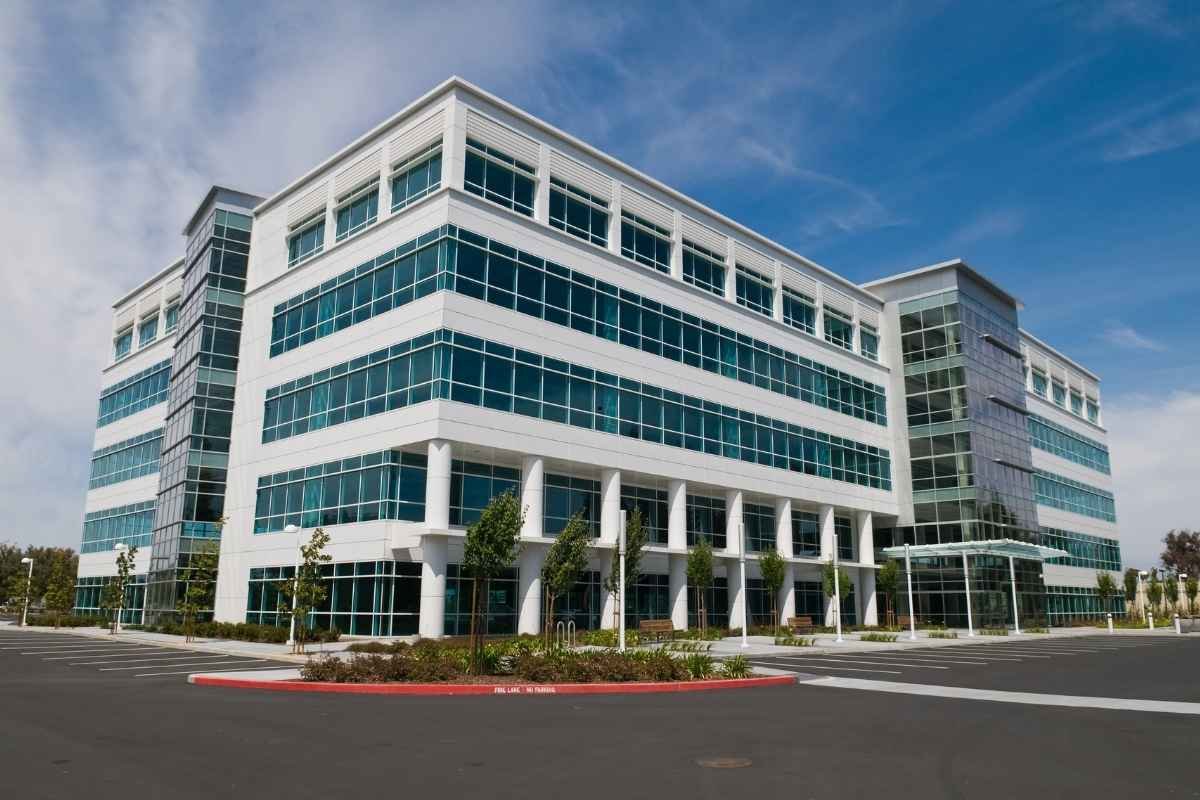
A physician group opening a second office has about one chance to get the exam room module right. Too tight and the staff trips over equipment, too wide and you are paying for floor area no one uses. We have learned to start every medical office conversation with the room list, the number of providers per day and the equipment that will go in each space, because those details set the plumbing, the power and the floor load before a single wall is drawn.
Las Cruces offers an interesting backdrop for this work. The city is home to hospitals that cover general care, psychiatry and emergency services, including a freestanding emergency center that MountainView Regional invested more than $10 million in, and a newer 46-bed hospital that opened in 2020. Physician groups cluster around those campuses, but demand is also growing outward. Chaparral had a 2020 census population of 16,551, and Vado, Mesquite and Anthony all sit on the interstate within easy reach of El Paso. Practices look at all of those places when they plan a new location.
We build ground-up medical office buildings, shells for developers who plan to lease to practices, and tenant fit-outs inside existing buildings. The details differ, but the questions about patient flow, privacy and clinical equipment are always the same.
What Makes a Medical Office Different From a Regular Office
Each exam room needs a sink, a cabinet run, blocking in the walls for wall-mounted equipment and a door that provides privacy without blocking staff movement. Corridors are wider than in a standard office, and reception and waiting areas are planned for confidentiality. Many offices also include a lab draw station, a small sterile processing area, medication storage and a dedicated space for staff. All of that adds plumbing, ventilation and finishing detail that you do not find in a law office or an insurance agency.
Specialty suites go further. Radiology needs lead-lined walls and doors, and some imaging equipment needs a structure that handles vibration or weight. Procedure rooms bring medical gas lines, extra ventilation and more electrical capacity. We ask for the equipment cut sheets early and build the rough-ins to match, because relocating a wall after the slab is poured gets expensive quickly.
What Drives the Price of a Clinic Build
The big cost variables are the plumbing count, the mechanical system and the finish level. A suite with twenty sinks costs more than one with six. Ventilation and filtration rates for clinics are stricter than for general offices, and the cooling load from medical equipment, lighting and a crowded waiting room is higher than most owners expect. In a climate where June highs average 96.2 degrees Fahrenheit, the size and efficiency of the HVAC system is one of the most important decisions you can make.
If you are leasing, the tenant improvement allowance is the other key number. A landlord might provide a certain dollar amount per square foot, and the practice pays for the rest. We help you build a scope that fits the allowance, separate the must-have items from the nice-to-have items and show you a priced alternate list. That way you see exactly what each upgrade costs, with no hand waving.
Where This Fits With Our Other Work
Medical office construction sits between standard offices and full hospital work. Owners who want a larger campus can read about our healthcare construction approach, which covers infection control and phasing in occupied hospitals. Practices moving into an existing building usually need tenant improvements, and developers building a speculative medical building may find our office building construction page useful for the shell. For groups that run several sites, healthcare systems often ask us to standardize details so each new clinic is faster to build than the last.
Codes, Licenses and Inspections
Outpatient buildings are generally classified as business occupancy, while ambulatory surgery and certain procedure areas can fall into different groupings. The 2021 New Mexico Commercial Building Code, which adopts the 2021 International Building Code as amended, took effect July 14, 2023. The state also lists 2024 plumbing and mechanical codes effective August 1, 2026, with either edition allowed until January 1, 2027 and only the 2024 edition after that. Because medical offices are plumbing and ventilation heavy, that change can matter, so we confirm the edition at the time of permit submission.
Under the state's licensing rules, the GB-98 General Building classification covers erecting, altering and repairing commercial buildings, and it requires foreman-level experience. We make sure the right license holders are involved, and our commissioning and closeout process documents airflow, pressure and equipment startup so inspectors and owners have a clear record.
Where Practices Are Building Around the Valley
The east side of Las Cruces, near the hospitals, is the obvious home for specialty practices. But the Valley's south end is growing in its own right. Chaparral is a large community with its own needs, and Vado sits on Interstate 10 with access from Exit 155. A practice that wants to serve patients on both sides of the county can use these places as a base. Our medical office work extends to all of them.
Plan Your Clinic With a Builder
Bring your room list, your provider count and your target address. We will return a plain-language budget, a schedule and a list of the decisions that move the price the most.
Questions Owners Ask
How long does a fit-out of an existing suite take?
For a typical physician suite in an existing building, the main variables are permit review, long-lead items like casework and equipment, and inspections. Construction itself moves quickly once the walls and rough-ins start. We give you a schedule that shows each of those separately, so you can start credentialing and scheduling patients at the right time.
Can you build in a building where other practices stay open?
Yes. We work with the building manager on hours, dust control, noise limits and utility shutdown windows. Neighboring tenants get a written notice and a contact number. Noisy work like coring and demolition is done early or late in the day, and we keep corridors clean throughout.
Do I need special walls for x-ray or imaging?
Yes. Radiology rooms need lead shielding sized by a physicist for your equipment, and MRI rooms need RF shielding and careful layout. We install what the engineer specifies and coordinate inspections so the room is ready when the equipment arrives.
Which is cheaper, a medical shell or a fit-out of an old retail space?
It depends on the old space. Retail buildings often have the open floor and parking you need, but their plumbing, ventilation and electrical service may be undersized for clinical use. We walk the space and price both paths before you sign a lease.