Building Types
General Contracting
Las Cruces, NM
Las Cruces, NM
Office Building Construction in Las Cruces and the Mesilla Valley
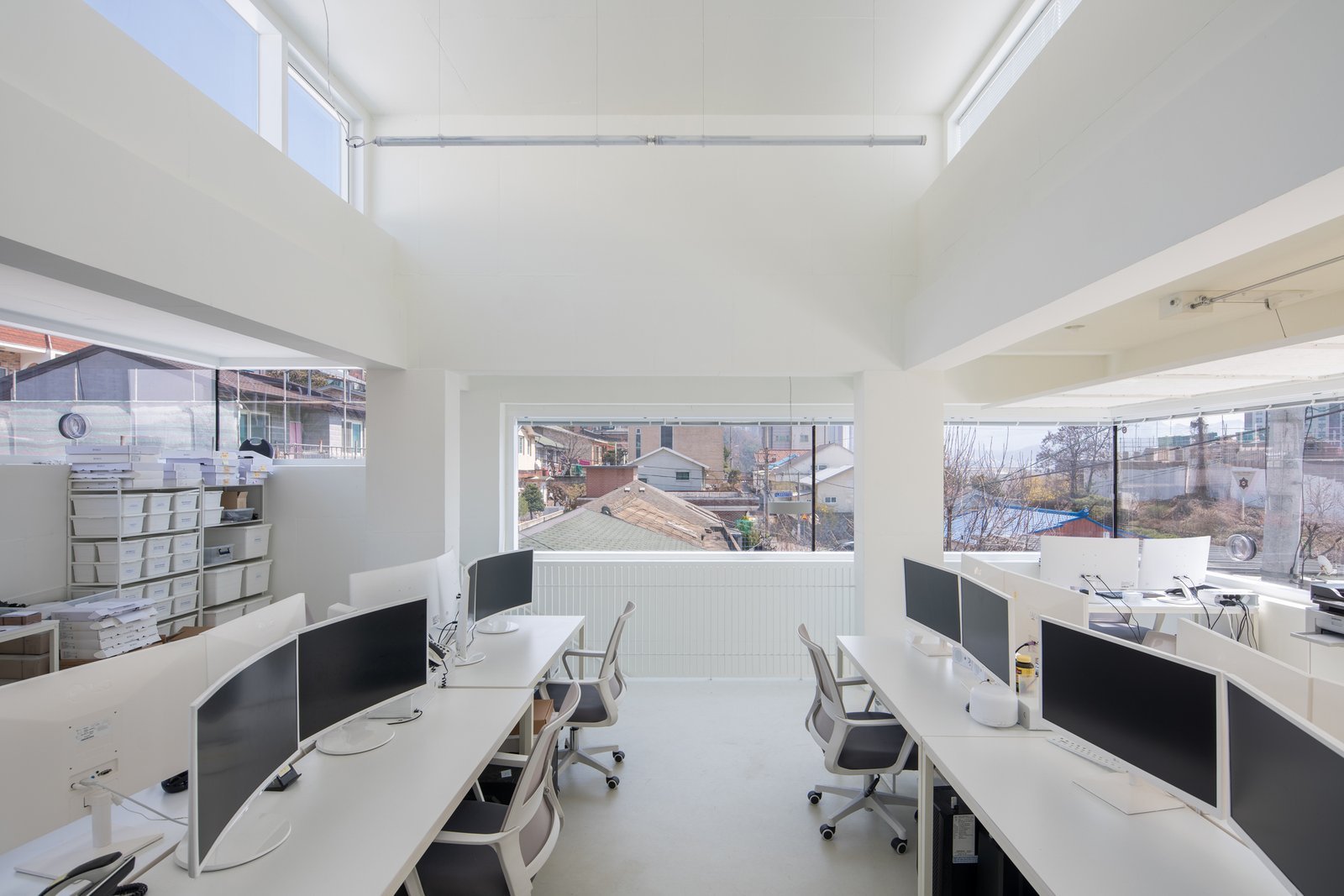
Three questions come up on almost every office job in the Valley: where do people park, how does the building behave in June, and who pays for the tenant fit-out. Get those right and the rest of the design tends to fall into place. Get them wrong and you end up with a handsome building that bakes its west-facing offices, floods its lot after a thunderstorm and sits half empty because the suites cost too much to finish.
Las Cruces gives an office developer two very different settings to work with. Near the university, New Mexico State University reports fall 2025 total enrollment of 23,888, including 16,076 on the Las Cruces campus, and the research side brings in about $150 million a year in externally funded programs. That produces steady demand for small professional suites, lab-adjacent space and services that sit near campus. Downtown, historic Main Street still runs through the middle of the city, and an office there is a conversation with the neighbors, the sidewalks and the street grid before it is a conversation with the architect.
We build offices as speculative shells, build-to-suit headquarters, owner-occupied professional buildings and tenant improvements inside existing space. We talk about what each tenant really needs, then price the building that fits, not the one that looks good in a rendering.
Campus edge, Main Street and the interstate exits
Where an office goes depends on who it serves. NMSU's Arrowhead Park, between Interstates 10 and 25, advertises direct visual exposure to both highways and build-to-suit capability with multiple development partners, which suits a company that wants a recognizable address and a building designed around its own floor plan. Its project list has included a Dona Ana Community College Creative Media Technology Building, a reminder that office, studio and classroom space blend together near Arrowhead Park.
Closer in, exit 142 on Interstate 10 puts you on Main Street, and the historic center of downtown Las Cruces is built around it. Downtown parcels are smaller, parking is shared, and the schedule depends on how you stage deliveries on a street where people shop and eat lunch. We plan those logistics before bid day, since a crane pick that blocks a sidewalk is a permit conversation, not just a scheduling one.
What goes into an office, start to finish
A typical office package begins with the site: grading that sends water away from the entry, a parking field sized to the use, accessible routes, utilities and landscaping that can live on the water the building can afford to give it. The structure is usually steel or load-bearing masonry with a concrete slab on grade, and the skin is stucco, masonry, metal panel or a combination, chosen as much for the sun as for the look.
Inside, the choices that most affect cost are ceiling height, glass area, the number of private offices versus open plan, and the mechanical zoning. A suite that has to be divisible later needs separate meters, restrooms and entries designed in from the start. We bring the mechanical and electrical engineers into early pricing so that a conference room full of people does not overheat a zone built for a single desk. If tenants are lined up, we coordinate their tenant improvement work with the base building so move-in dates hold.
Talking it through like neighbors
Owners usually arrive with one of three questions. Can I afford this? Can it be ready by a certain date? Will it lease or serve my staff? We handle all three the same way: a preconstruction conversation, a realistic budget range, and a list of choices with prices attached. When a developer wants one team accountable for both drawings and construction, our design-build delivery keeps the architect, engineers and builders in one room. When an owner prefers an open design process with early cost advice, our construction management at risk process gives them the same transparency.
On job sites we keep neighbors informed and keep roads clean. We do not like surprises either.
Where the money goes
Shell costs are the part everybody can estimate. The swing items are the ones inside. Mechanical systems are the largest single driver in a desert office, because cooling loads are large from late spring through September and the 2021 New Mexico Commercial Energy Conservation Code, effective January 30, 2024, shapes the envelope and the equipment you can choose. Glazing, shading devices and roof insulation therefore deserve real attention in early pricing, since they shrink the mechanical bill for the life of the building.
The second driver is how much of the building is finished at delivery. A warm shell lets tenants build their own suites, which keeps the developer's budget down and the lease rate competitive. A turnkey building costs more up front but leases faster to users who do not want to manage a build. We price both so you can compare. Parking, site utilities and stormwater storage also move the number, and we call out the allowances plainly. For commercial real estate developers especially, a budget with clear unknowns is better than a low number that grows.
Related work that often rides along
Office projects seldom stand alone. A medical suite or lab-style tenant may bring its own mechanical needs, which is where our experience with medical office buildings helps, and a public agency tenant may require a procurement path like the ones we manage on government and municipal buildings. Property managers who inherit the building later appreciate clean closeout binders, labeled equipment and training. See how our work with property management firms carries past the day of occupancy.
If your site needs entitlement help, a parking structure or a phased move-in while an old building stays occupied, we can coordinate all of it under one schedule.
Thinking about an office? Let's price it.
Tell us the site, the size and who the tenants are. We will give you a straight range, a schedule and the choices that move the number.
Questions Owners Ask
How long does a typical suburban office building take to build?
A small professional building of one or two stories often runs close to a year from permit to occupancy, depending on size and how much interior finish is included. The long-lead items are usually electrical gear, rooftop equipment and storefront glazing. We lock those orders early so the schedule is driven by site conditions, not deliveries.
Should we build a shell or a finished building?
That depends on who your tenants are. A shell with a tenant allowance lets each user design their own space, while a finished building reaches the market faster for tenants who just want to move in. We price both and show you the lease-rate trade-off so you can make a business decision, not a guess.
What does the desert climate change about office design?
Cooling load, solar exposure and dust. West and south glazing needs shading or high-performance glass, entries benefit from vestibules, and roof equipment needs access and screening. Las Cruces averages just 9.14 inches of rain a year, but heavy thunderstorms can overload drainage, so the stormwater plan matters as much as the air conditioning.
Can you build near the university or downtown while neighbors are still using the street?
Yes. We stage deliveries outside peak hours, protect sidewalks and keep a single point of contact for adjacent owners. Downtown work needs more coordination than an Arrowhead Park site, and we plan for it in the schedule and the price.