Service Areas
General Contracting
Las Cruces, NM
Las Cruces, NM
General Contractor in Hatch, New Mexico
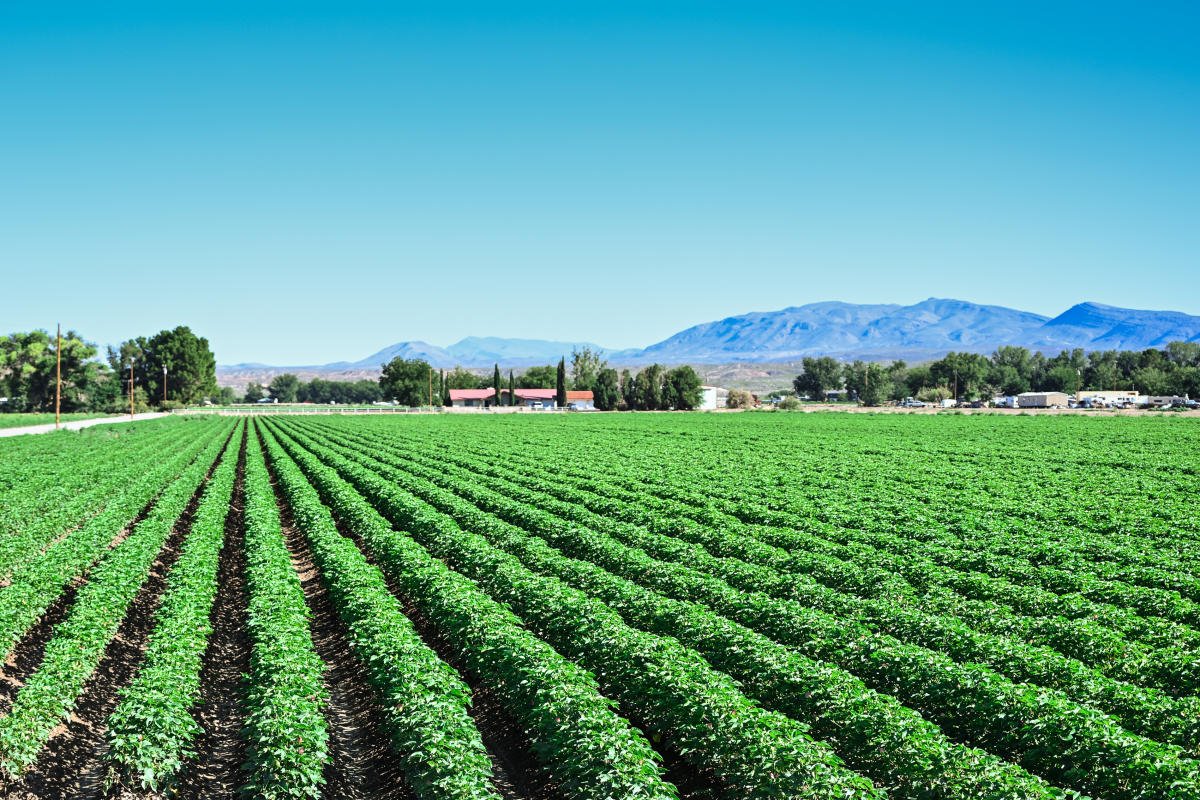
Chile season changes everything about how a Hatch building gets used, so we start by asking when your product comes in and when it has to leave. Hatch is known worldwide for raising chiles, the annual Hatch Chile Festival occurs each Labor Day, and the village sits just off Interstate 25, about 40 miles northwest of Las Cruces. For a grower, packer, processor or hauler, a good building is the one that is ready before harvest and keeps working through it.
We build for agribusiness: packing sheds, cold rooms, dry storage, equipment barns, truck courts and the offices that run them. We also build the community buildings that come with a working farm town, including shops, small commercial centers and public facilities. Our approach is to learn your throughput, your equipment and your peak weeks, then design the structure, slab and utilities around them.
You'll find we talk like neighbors, because most of the people in this part of the Valley know each other and know the season.
Highways, rail and ditches
Hatch sits at an interesting crossroads. On the Interstate 25 exit list, exit 41 is NM 26 west to I-10, toward Hatch, Deming and Lordsburg, which gives growers and haulers more than one way to market. The Southwestern Railroad passes through Hatch, and for the right operator, rail access can reduce trucking costs or support bulk loading.
Water is the other piece. Farm irrigation around Hatch uses wells and surface water from irrigation ditches that divert from the Rio Grande and from Caballo Lake and Elephant Butte Reservoir, about 20 miles north of the village. For a builder, that means ditches, laterals and easements are everywhere, and we check where they run before we put a footing or a driveway near them.
Growers, packers and processors
Agribusiness owners tend to have clear priorities: protect the crop, keep the line moving and meet food-safety rules. If you handle product that is washed, graded or packed, our food and beverage processing experience covers smooth, sloped floors with drains, washable wall panels and a layout that separates raw and finished product. Cold rooms need insulated panels, vapor barriers and refrigeration that can handle the first hot week of harvest.
Other clients include haulers and suppliers who need yard space and shop buildings, and manufacturing companies with small plants that value the interstate access. We are ready to discuss each of them, but the biggest lesson is the same: the harvest does not move, so the construction schedule must.
What we manage most closely
The most important early work is concrete and site preparation, and we schedule and inspect the layout, forming and placement closely. Slabs in a packing building need the right slope to drains, a durable finish that stands up to wash-down and joint details that prevent cracks from becoming sanitation problems. On larger sites, we also build truck courts and dock aprons with a heavy section, because loaded trucks turn on the same spot day after day.
Metal buildings are a common solution for farm and warehouse use, so we coordinate with erectors on foundation layout, anchor bolt placement and insulation. Anchor bolts are set to the manufacturer's tolerances and checked before the first column is raised, since a missed bolt is an expensive fix.
Elevation, soil and the growing calendar
Hatch's listed elevation is 4,062 feet, a bit higher than Las Cruces, which means colder winter nights and a careful look at frost depth for footings and underground lines. The village had 1,539 residents at the 2020 census, so we plan for a small local labor pool and bring crews from the broader Valley when we need them. Rincon, which is adjacent to Hatch, shares many of the same site conditions.
Timing around the growing season affects what can happen on a site. We avoid placing heavy equipment in active harvest traffic, coordinate with growers about access and keep dust down near crops and packing areas. If a building must be ready before a deadline, we agree on a clear working window and plan around it.
Related work and nearby communities
Many Hatch owners combine several scopes in one job. Cold storage construction may sit next to a packing hall and a truck court, and a pre-engineered metal building may hold equipment, dry storage or a shop. We can price them as a package or in phases. Nearby Rincon and Salem share the I-25 corridor, so one site visit can cover several properties.
Building before harvest
A good harvest-ready schedule starts with the date product arrives and works backward. Foundation and slab need to be done early enough to cure, building erection follows, and equipment installation needs its own window. We assign float to each step, then hold a weekly meeting to confirm the plan is still working. If a delivery slips, we say so right away and propose a recovery plan.
Long-lead items deserve extra attention in a farm community. Refrigeration packages, dock equipment, overhead doors, transformers and the metal building itself can take weeks or months to arrive, and the order should be placed as soon as the design is stable. We keep a procurement log that shows each item's order date, promised delivery and the construction activity it feeds. If a supplier slips, we look for alternatives right away. That way a missing part does not sit between you and your first load of product.
Build before the next harvest
Tell us what you grow, pack or haul and when your busy season starts. We will plan the building around it and give you a schedule you can believe.
Questions Owners Ask
How early should I start planning a building that must be ready for harvest?
Start many months ahead. Design, permitting, ordering of the building package and construction each take time, and there is little room to catch up once harvest begins. We work backward from your first delivery date and tell you the latest dates for decisions, so you can see the schedule in simple terms.
What floor finish works for a packing or washdown area?
A dense, well-cured concrete slab with proper slopes to drains and a sealer or coating matched to your cleaning chemicals is typical. The details matter more than the product name: joint layout, edge protection and drain placement decide how the floor performs. We review them with your food-safety consultant.
Can you build on land near irrigation ditches?
Yes, but we confirm easements, setbacks and any approvals from the ditch owner before design is final. We protect ditch banks during construction and plan crossings so the flow continues. It is worth checking early, because moving a driveway on paper costs far less than moving one in the field.
Is a metal building a good choice for cold storage?
A metal frame can work well when it is paired with insulated panels, a good vapor barrier and a slab designed for cold conditions, including insulation under the floor where needed. We coordinate with your refrigeration engineer so the structure, doors and loading areas support the system.
Do you handle utilities and power for a new packing building?
We coordinate with the electric utility, water provider and any well or septic needs early, since packing and cold rooms can need substantial power. We ask for load estimates from your equipment vendors, request service from the utility as soon as we have them and price any line extension separately. Power is often the longest lead item on a rural site, so the earlier the request, the better.