General Contracting Services
General Contracting
Las Cruces, NM
Las Cruces, NM
Long-Lead Procurement for Las Cruces and Dona Ana County Projects
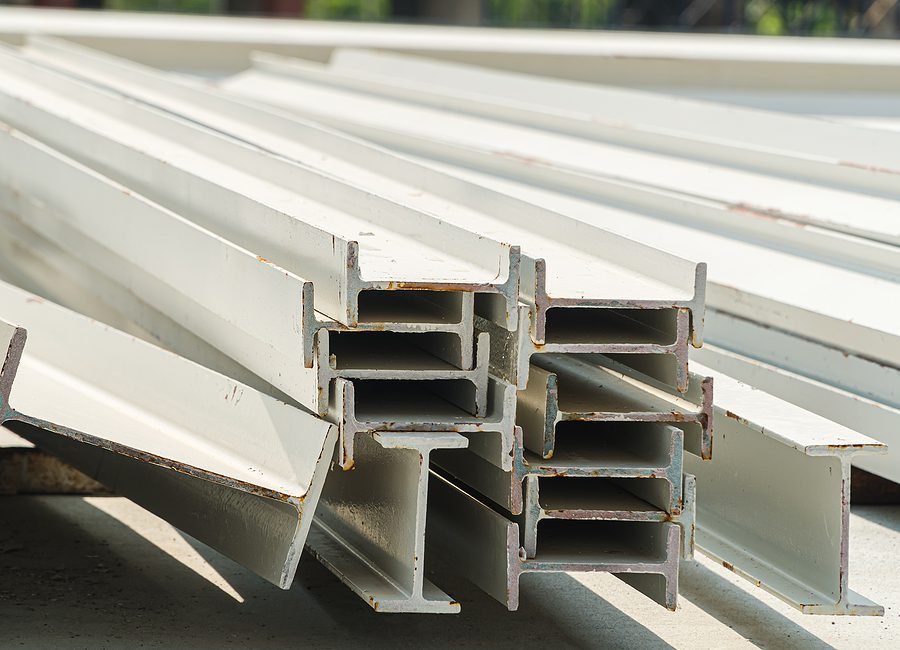
The slowest item on a building is rarely the one with the most labor. It is the switchgear, the transformer, the rooftop unit, the elevator, the steel package or the custom door that has to be ordered months before anyone needs it. Long-lead procurement is the discipline of finding those items early, buying them at the right moment and making sure they show up when the crew is ready to set them.
In and around Las Cruces, deliveries often travel a long way, and sites can sit far from the manufacturer and the nearest supplier. A missed delivery date can idle a crew in summer heat, push a pour or leave a building dried-in but not powered. We track long-lead items from the day the drawings are issued and make them a visible, owned part of the schedule.
We work with owners, engineers and suppliers to decide which items are truly critical, get submittals approved promptly and, where it makes sense, release orders before the full construction contract is signed.
What Ends Up on the Long-Lead List
The usual suspects come from every trade: electrical gear such as switchgear, transformers, generators and panelboards; mechanical equipment such as chillers, rooftop units and air handlers; elevators; structural steel and joists; specialty glazing; overhead doors and dock equipment; process equipment; and custom finishes. Each has its own approval path, shop drawing cycle, fabrication time and shipping route, and the clock starts when the owner approves the submittal, not when the order is placed.
Utility service often belongs on the list as well. The utility's service, transformer and meter schedule runs on a separate clock from the contractor's, and for a hospital addition or a large industrial building the power equipment sets the date. We ask the utility for its schedule early, write it into ours as a milestone and keep checking on it, since a building that is finished but cannot be energized is not finished.
Price Risk and Early Buying
Equipment quotes usually come with an expiration date, and prices for steel, electrical gear and mechanical equipment can move between bid day and award. Buying early can lock a price, but it brings its own costs: deposits, storage, insurance on stored material and the risk of design changes after the order is placed. We lay those costs against the cost of waiting, which includes escalation and the daily price of delay, so the owner can see both sides.
For some owners, purchasing certain equipment directly makes sense, particularly when the owner has standardized brands or service agreements. Direct purchase shifts responsibility for coordination, so we spell out who handles submittals, delivery, receiving and warranty. A clear line between owner-furnished and contractor-furnished items prevents the finger-pointing that tends to show up at the end of a project.
How We Buy and Track
Our procurement log lists every critical item with its specification section, submittal date, approval date, order release, fabrication lead time, ship date and required-on-site date, along with the float between them. We review it weekly with the project team, review shop drawings quickly and press subcontractors for realistic dates. When an item slips, we want to hear it the day it happens, not at the end of the month.
Expediting is real work: calling factories, confirming production slots, arranging inspections and coordinating freight. When an item arrives we inspect it before signing, plan unloading and keep a laydown area ready. Our desert climate adds some wrinkles, since spring dust and summer heat are hard on stored electronics, finishes and packaged equipment. We protect delivered gear accordingly. This tracking supports our construction management at risk work and our structural steel erection planning, where the delivery sequence determines the erection sequence.
Where Lead Times Hurt Most
Manufacturing projects often depend on equipment that arrives on its own schedule. On January 27, 2026, the New Mexico Economic Development Department announced that a Calgary-based company would renovate an existing 45,050 square foot building on 15 acres at the Las Cruces Innovation and Industrial site, with $13.4 million invested over three years. In a project like that, the building work has to be ready when the process equipment shows up, and the equipment's own lead times often govern the whole timeline.
Healthcare has similar pressure. MountainView Regional Medical Center invested more than $10 million in a freestanding emergency center on North Main Street with 10 private patient rooms, according to a 2017 report. For healthcare systems and projects near the MountainView medical district, imaging equipment, medical gas systems and air handling units need early orders and careful coordination with the design team.
Power-hungry buildings sit at the far end of the scale. Project Jupiter is described as a 1,400 acre data center under construction in Santa Teresa, and the electrical and cooling equipment for any data center in the Santa Teresa area drives procurement from the first week of design.
Holding the Critical Path
We schedule backward from the date the equipment needs to be set, then check whether the supply chain can meet it. If it cannot, we look at alternatives: a different manufacturer, a phased delivery, temporary power or an early release package. Early release of structural steel, electrical gear or roofing materials can pull weeks out of a schedule when the design is ready enough to order.
Owners with many locations see this at a larger scale. Our work on programmatic multi-site rollouts often involves pre-buying standard packages, such as storefront systems, equipment or fixtures, and staging them for multiple sites. That strategy reduces price risk and keeps crews from waiting on material, but it requires good receiving, storage and tracking, which we are set up to provide.
Get your long-lead list started
Send us the drawings or the equipment list and we will build a procurement log, flag the items most likely to hold up the schedule and recommend which ones to release first.
Questions Owners Ask
How far ahead should I order long-lead equipment?
As soon as the design is firm enough to submit and the budget supports it. For many items that means before the building permit is final. We give you a date for each item based on the manufacturer's lead time and the date you need it on site, and we update it as quotes come in.
Can you hold equipment in storage until the building is ready?
Yes. We can arrange storage with the supplier or on site, protected from heat, dust and weather. Storage adds cost and insurance, and some manufacturers limit how long they will hold finished product, so we confirm terms before the order.
What if the manufacturer's date slips after we order?
We raise it immediately, look at the impact on the critical path and price alternatives, such as expedited freight, temporary solutions or resequencing other work. Having a running log means we can show you the effect in numbers.
Should the owner or the contractor purchase the equipment?
Either can work. Owner purchase can make sense when the owner has standardized equipment or special terms, while contractor purchase puts coordination and warranty in one place. We lay out the responsibilities for both options so you can choose with clear expectations.
How do you handle utility equipment like transformers?
We contact the utility early, learn its requirements and schedule, and add its milestones to the project plan. The utility controls some of that equipment, so our role is to coordinate, follow up and make sure the site is ready when the utility arrives.