Service Areas
General Contracting
Las Cruces, NM
Las Cruces, NM
General Contractor in Radium Springs, New Mexico
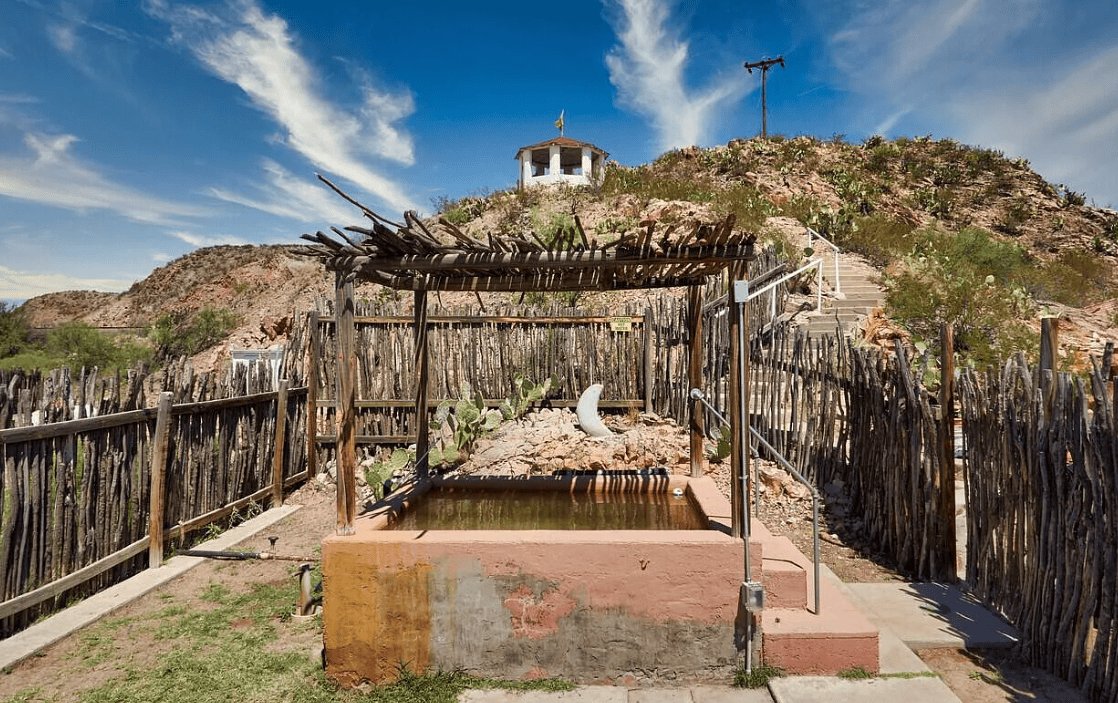
Visitors, river water and open desert are the three things we think about when we plan a building at Radium Springs. The community sits at the upstream end of the Mesilla Valley along the Rio Grande and is part of the Las Cruces Metropolitan Statistical Area. It is also home to old Fort Selden from the Indian Wars era and an old hot spring, which tells you a lot about what draws people to the place.
We build the things that serve those visitors and residents: small lodging, cafes, shops, event space, storage, maintenance buildings and public facilities. We also do the unglamorous work that makes them usable, such as parking, drainage and utility connections. Owners get a clear sketch of what fits on the property, a budget they can plan around and a schedule that respects the seasons.
Radium Springs had 1,498 residents at the 2020 census, so projects here tend to be personal. People know who is building what, and they remember how the crew treated the neighborhood.
Highway exits and a state park next door
The Interstate 25 exit list shows exit 19 as NM 157 toward Radium Springs, and exit 32 serves the Leasburg Dam State Park and Fort Selden State Monument area. Those exits tell you how people reach the community and where they are likely to stop. A cafe, gas stop, small inn or outfitter near an exit has a built-in audience, and we can help you size a building to match the traffic.
Leasburg Dam State Park sits on the Rio Grande about 15 miles north of Las Cruces. The park covers 293 acres, and its diversion dam, completed in 1908, sends river water into canals that serve Mesilla Valley farms. That is a useful reminder that Radium Springs sits where irrigation infrastructure begins, so ditches, canals and easements need extra care when we lay out a building or a driveway.
Lodging, food and small commercial space
Small hospitality buildings are a natural match for a place with a state park, a historic fort and an old hot spring. The key design questions are room count, parking, kitchen size and how guests arrive. We help you test a plan with a handful of rooms or cabins before you commit to a larger program, and we make sure plumbing, fire protection and accessibility are in the drawings from the start.
Not every project is for visitors. Residents and area businesses may want a small retail center, a community hall or a shop with an office. These buildings follow the same code as larger projects, and we price them with the same care. If you're planning to rent space, we help you decide on suite sizes and shared systems.
Whatever the use, the building has to handle the climate. At a listed elevation of 3,960 feet, Radium Springs gets hot summers and cool winter nights, so we pay attention to insulation, shading, roof color and equipment sizing. Deep porches, covered walkways and well-placed windows are not just good looks: they cut cooling loads and make outdoor space usable in warmer months. We price these features as options, so you can see what they add and what they save.
Working safely near water and visitors
Sites near a river, canal or recreation area need extra attention. We keep excavations covered or fenced, protect ditch banks and keep trucks off soft ground. Fuel, concrete washout and other materials are stored away from water. If the work is close to a public trail or road, we post signs, use flaggers and keep the area tidy.
Heat and sun are the other major hazards. We schedule strenuous work for the cooler hours, provide shade and water and watch crews for early signs of heat illness. A safe site is a productive site, and visitors passing by notice the difference too.
Old hot springs and historic grounds also mean we respect what lies under the surface. Before we dig, we call utility locators, check for buried lines and ask the owner and local agencies whether any part of the property has been identified as sensitive. If we find something unexpected, we stop, protect it and notify the right people. That is the kind of care neighbors expect from anyone working near a place with this much history.
What we do on the ground
Most of our work begins with site development and utilities, since a new building needs water, power and a way to handle wastewater. In a community like this one, that can mean a well, a septic system or a long utility extension, and each choice affects the budget. We lay out options, get quotes and help you pick the one that fits.
After the site is ready, we build the structure and finish the interior. We can also repair or expand existing buildings, from a small renovation project to a larger addition. Where a building is old, we inspect the roof, walls and systems before the price is final, because old buildings can hide problems that cost more than the paint.
Planning around seasons and events
Recreation sites have busy seasons and quiet ones, and a construction schedule should match. If your business depends on weekends, holidays or festivals, we tell you the dates by which construction must be complete and plan backward. In quieter months, we can work more freely, and we use that room to sequence the noisiest work when it bothers the fewest people.
Deliveries to a rural site take planning. We check the width of the access road, the weight limit on any bridge and the room to turn a truck, and we stage materials so that crews are not waiting. Weather, especially summer storms, gets a built-in allowance. Your neighbors in Dona Ana and those farther along I-25 around Hatch share similar logistics.
Build in Radium Springs
Send us your property details and your idea. We will visit the site, talk through the numbers and help you decide on a first step. Hospitality owners can also read about hospitality groups.
Questions Owners Ask
Can I build a small inn or cabins near Radium Springs?
Yes, provided zoning, water, wastewater and fire protection can be arranged. Small lodging has code requirements for exits, smoke alarms, accessibility and sometimes sprinklers. We prepare a concept layout and a budget so you can see the full cost, not just the building.
How do you handle building near an irrigation canal?
We find out who owns the canal, what easements exist and what setbacks apply. We protect the banks during work and avoid altering flow. Early contact with the district avoids disputes and keeps the project on schedule.
What is the best way to get utilities to a rural site?
Start by calling the power company and the water provider to ask what service is available, what it costs and how long it takes. Some sites will need a well or a septic system. We include those costs in our early estimate so you can compare parcels.
Can you renovate an older building in the area?
Yes. We start with a careful inspection, identify structural, roofing, electrical and plumbing issues, and give you a price that includes those findings. The goal is to preserve what is worth keeping and replace what is not.
How long will it take to build a small commercial building?
For a simple building on a prepared site, construction can take a few months once permits are in hand. The longest items are usually utilities, permit review and ordering of the building package or special equipment. We give you a schedule with these items marked so you can see what controls the finish date.