
Industries We Serve
General Contracting
Las Cruces, NM
Las Cruces, NM
Hotel and Restaurant Construction for Hospitality Groups in Las Cruces
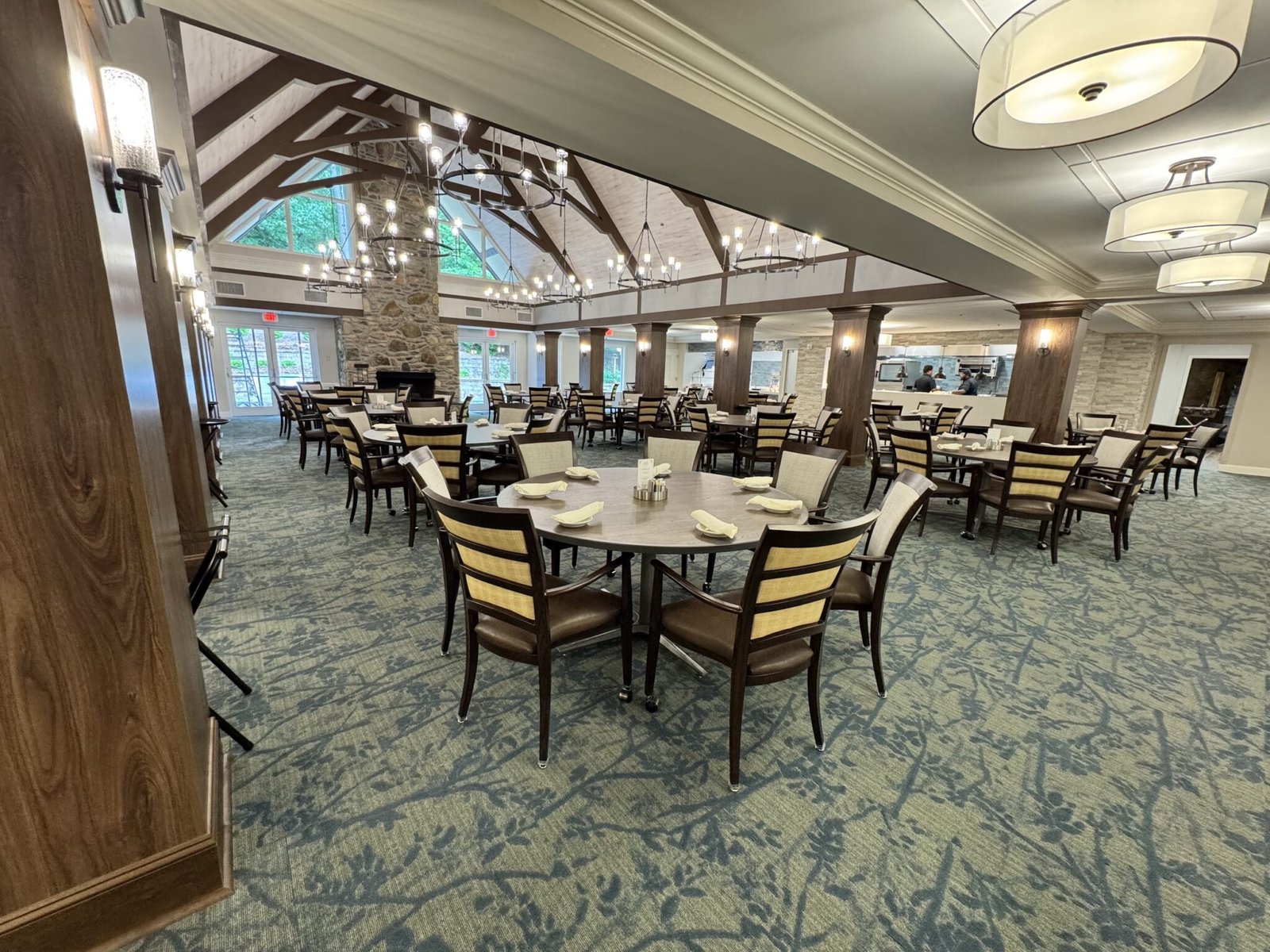
Guests arrive in the Mesilla Valley for reasons that do not look much alike. Some come for the plaza at Mesilla, where La Mesilla Historic District was declared a National Historic Landmark in 1961. Some come for the Hatch Chile Festival on Labor Day, or to visit a student at NMSU, or for work at the airport, a hospital or a border port. A hotel or restaurant group that wants to serve all of those travelers needs a builder who understands that each of them expects something different from the room.
We build limited-service and select-service hotels, extended-stay properties, restaurants, event spaces and the renovations that keep older properties competitive. Owners come to us with a flag, a franchise standard and a design package, or with a local concept they want to open for the first time. Either way, we price the work in plain terms and help you see where the money goes.
Hospitality is a retail business with a bed attached, and it lives and dies by the first impression. We pay attention to what a guest sees from the parking lot as much as to what an inspector sees in the ceiling.
Where Visitors Come From and Why They Stay
The metro has several demand sources that can support lodging and dining. Historic downtown Las Cruces centers on Main Street, where a six-block stretch became a pedestrian mall in 1973 and the mall hosts a farmers' market on Wednesday and Saturday mornings. In Sunland Park, the racetrack and casino sit beside the Rio Grande at the foot of Mount Cristo Rey. Farther north, Rincon lies roughly 20 miles south of Spaceport America, where construction created about 800 temporary jobs.
Each of those draws a different guest. A downtown property serves weekend visitors and business travelers. An interchange hotel serves drivers on I-10 and I-25. A property near the spaceport might serve work crews and tourists on the same night. We help you test which site matches your brand and what the shell will cost on each, and we keep in mind that summer highs in town average 96.2 degrees in June, so the pool deck, entry canopy and cooling plant deserve more thought than they get in a cooler market.
Building to a Brand Standard
If your hotel carries a flag, the franchisor will have an approved prototype and a list of required finishes, fixtures and equipment. We read that package against the site before pricing so we can flag items that are unclear or that conflict with local conditions. Examples include pool equipment that needs more shade in a hot climate, exterior finishes that fade, or room air systems that must work with a high cooling load.
We then build a schedule that includes the franchisor's inspections, the furniture, fixture and equipment delivery, and the training period that comes before opening. Our hospitality and hotel construction work is built around the idea that a hotel is not complete until a guest can stay in it, not when the last drywall screw is set.
Guest Rooms, Kitchens and the Spaces Between
Hotels and restaurants hide complexity behind simple finishes. Guest room bathrooms require tightly coordinated plumbing, waterproofing and exhaust. Kitchens require hoods, makeup air, grease management and floors that drain. A restaurant construction project can go wrong in a hundred small ways before the first plate is served, and a health inspector will find the one you missed.
We build a punch list as the project goes, not at the end, and we walk the rooms with your operations team before turnover. For a hospitality hotel project, we treat the first fifty rooms as a prototype, so lessons learned on the first floor carry to the rest of the building.
Timing Openings and Renovations Around Demand
Revenue is why hospitality schedules are so unforgiving. A new hotel loses money every day it sits unopened, and a renovation that closes rooms costs bookings. We set a calendar that targets a specific opening date, then build in the milestones that control it: dried-in, rough-in complete, rooms substantially complete and furniture installed.
For renovations we work in floor-by-floor or wing-by-wing phases, often outside peak travel periods. A property near a university may avoid graduation and move-in weekends, and one along the interstate may want to avoid summer holiday traffic. We ask about your busy dates up front and plan around them. Noisy work like demolition and saw cutting happens in the morning, while rooms are being cleaned and most guests are out, and anything that needs the building quiet waits until the afternoon is over.
Where We Build for Hospitality Owners
We build across Dona Ana County and into the neighboring communities. Mesilla calls for careful review and a respectful approach to materials and signage because of its historic designation. Hatch, best known for chiles, needs buildings that fit a small village and can handle a festival crowd. The interchange areas around Las Cruces call for commercial buildings with strong frontage and easy turns.
Developers who plan a hotel as part of a larger project often work with commercial real estate developers on the land side, and retail neighbors may be retail chains that share parking. We coordinate with them so site work is done once.
Tell Us What Your Guests Will Experience
Share your brand standard, your site and your opening goal. We will study the package, point out where local conditions matter and return a schedule and price range. Call or use the quote request to start the conversation.
Questions Owners Ask
How long does a limited-service hotel take to build?
The answer depends on size, but most of the schedule goes to permits, site work, structure and the long run of interior finishes. We give a month-by-month schedule that includes the franchisor's required reviews and the time for furniture and training. If you need an earlier opening, we show which steps can overlap and what that costs.
Can you renovate our hotel while it stays open?
Yes, in many cases. We close rooms in blocks, control noise and dust, and keep guest paths clean. Some work, such as lobby or elevator changes, may need short closures. We plan these with your front desk so guests are told in advance and rooms are not sold into a noisy work zone.
What causes delays in restaurant projects?
Equipment lead times, health department review and utility upgrades are the usual causes. Gas service, grease interceptors and electrical capacity may all need work before the kitchen is useful. We check these early and tell you what the landlord, the utility and the city need to do.
How do you protect a guest experience during construction?
We keep work zones sealed, hide staging areas from the front entrance and clean the walkways every day. Noise is scheduled, not left to chance, and we give the front desk a daily list of what is happening. A guest who sees tidy barriers and hears little rarely complains, while one who finds dust in the lobby posts about it.
Do you build event spaces and patios?
Yes. Patios, covered areas and small event rooms are common additions in this climate, and shade and airflow matter. We design around the desert sun and wind, and we make sure the structure, lighting and accessibility meet code.