General Contracting Services
General Contracting
Las Cruces, NM
Las Cruces, NM
Self-Storage Construction in Las Cruces
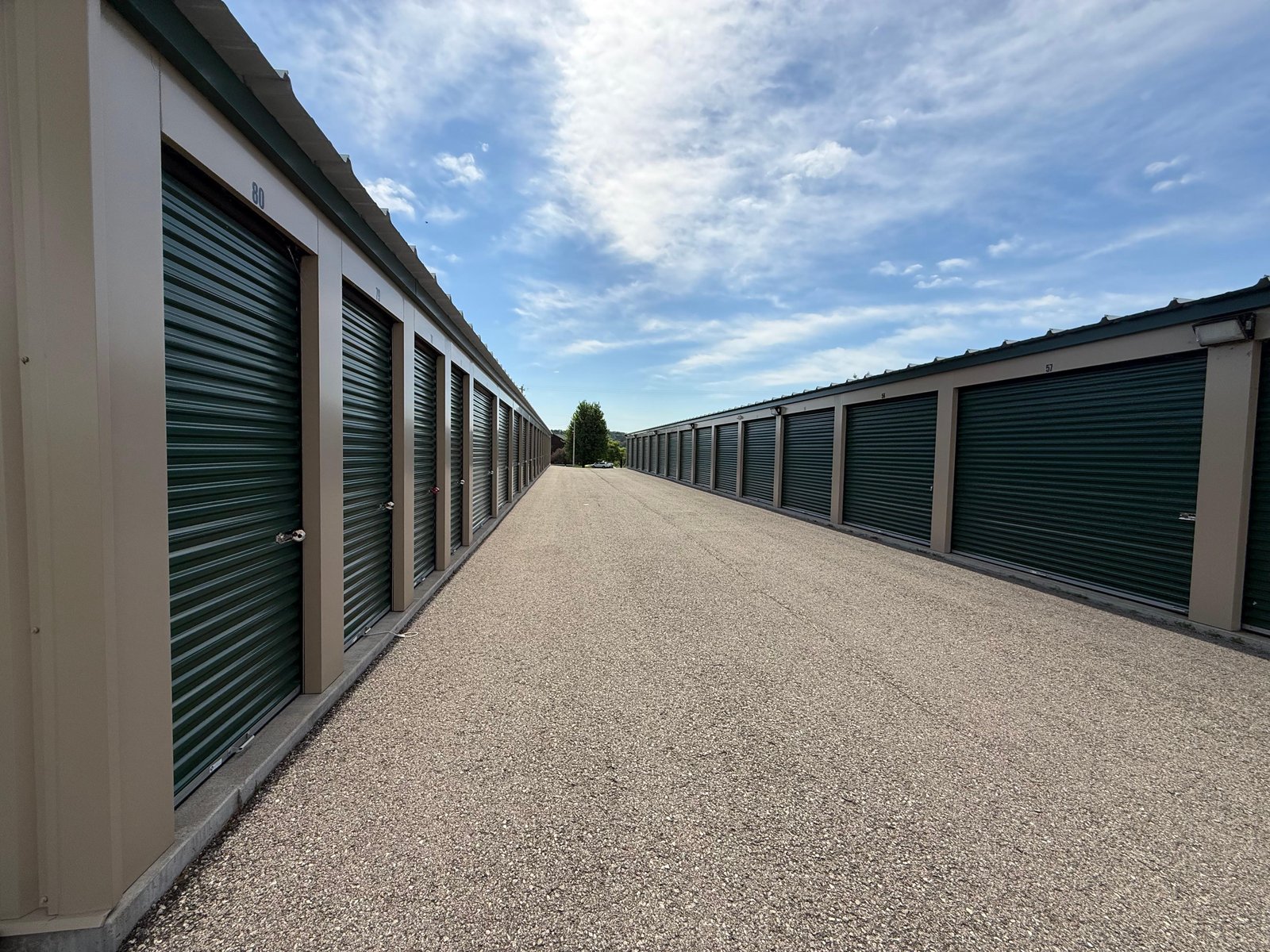
Self-storage looks simple until you add up the doors. A facility with hundreds of units has hundreds of door openings, each with its own header, track, jamb and latch, and the whole business runs on how fast and how cheaply those pieces get installed. We think about self-storage the way an owner does: how many rentable square feet can fit on this parcel, how quickly can they be ready to rent and how little will they cost to keep up.
The Mesilla Valley gives storage owners a mix of customers. Students at a university of 23,888 enrolled in fall 2025 move in and out every year. Growing communities such as Chaparral, with 16,551 residents at the 2020 census, and the busy interstate stretch through Vado and Berino add households that need space for tools, trailers and vehicles. Along the border, a 2019 report says the Santa Teresa industrial complex supports more than 5,000 jobs, and small business owners at every level need flexible space for inventory and equipment.
We build the full range, from single-story drive-up buildings to multi-story climate-controlled facilities, and we handle gates, offices, fencing and paving as part of the package.
Where the Money Goes in a Storage Facility
Storage is a land-and-building game, and the numbers are tight. The largest line items are site work, foundations, the building shell and doors. Drive-up buildings in a pre-engineered metal system are the least expensive way to add rentable space, and they can be erected quickly once the slab is poured. Climate-controlled buildings cost more because they add insulation, heating and cooling, interior corridors and elevators, but they command higher rents in a place where June highs average 96.2 degrees Fahrenheit and a metal box left in the sun can cook whatever is inside.
We help owners decide on the mix. A site with good frontage might carry a climate-controlled building near the street and drive-up buildings behind it. The rent difference between the two types usually decides the layout. We price a few options and show the cost per rentable square foot for each, so the choice rests on numbers rather than hunches.
Building the Facility in Layers
Construction moves in layers. We start with grading and drainage so rainwater runs off the site without carrying silt into a neighbor's lot, which matters in an area where surrounding arroyos often carry water after heavy thunderstorms. Then come utilities, a base for the drives and slabs for the buildings. The shell goes up quickly with pre-engineered metal buildings, followed by partitions, doors, lighting and security hardware. Paving, fencing, gates and signage finish the project. The slabs are the heart of the structure, and we cover them in our concrete foundations work.
The office and the access system get as much care as the buildings. Keypads, cameras, lighting and the management software need power and data in the right places, and we coordinate with the vendor so the conduit is in the ground before the paving.
Corridors That Suit Storage
Storage works best where people live and where traffic passes. Vado, with I-10 access from Exit 155 and a 2020 census population of 2,930, and Mesquite, reached from Exit 151 on the same highway, are examples of interstate-adjacent communities. The Vado and Mesquite pages describe their site conditions. North of the city, Interstate 25 provides access to Dona Ana and Hatch. Sunland Park's revised Rancho Santa Teresa annexation proposal covers approximately 362 acres, which could bring new neighborhoods and more households.
Land costs and zoning shape the opportunity. Storage often fits on a lot that is too small or too awkward for another use, but a city or county may require landscaping, screening and setbacks. We check these rules early and fold them into your budget.
What We Coordinate Alongside the Buildings
A storage project is a lot of dirt before it is anything else. Where a parcel is large, mass grading builds the pads and sets drainage, and utilities come next. Owners who manage multiple facilities, including property management firms, often ask us to standardize their designs and details so each new site is faster to build and cheaper to maintain. The self-storage facility overview covers the building types and typical layouts in more depth.
Where We Build Storage
We build for owners from Las Cruces to the border. The most active stretches follow the Interstate 10 corridor and NM 28 through the Mesilla Valley, which passes farmland, dairy farms, vineyards and pecan orchards on its way through small communities. Wind and dust are part of life here, so we position doors and landscape to reduce blowing dirt, and we pave the drive aisles to keep it down.
Whether the facility is a first phase on a larger parcel or a stand-alone conversion of an old warehouse, we study the property before suggesting a plan. We walk the lot, look at how water will leave it, check where power and water lines sit and talk with you about how many units you want to open with. Fire lanes, truck turning radii and gate stacking space all take more room than first-time owners expect, and a few feet of aisle width can decide how many units fit.
Start With a Look at Your Parcel
Send us the address and the acreage. We will tell you what the site can hold, what it will cost and how quickly units could be ready to rent.
Questions Owners Ask
How long does it take to open a new facility?
Drive-up buildings can be erected fast after the slab is placed, so the schedule is mostly about permits and site work. A single-story facility might open in phases, with the first buildings leasing while later ones are still under construction. We lay out a month-by-month plan once we see the site.
Is climate-controlled space worth the extra cost?
In the desert Southwest, often yes. Customers pay more for protection from heat, dust and humidity swings. We price the building both ways and show how rent premiums affect payback so you can decide based on your market.
Can you build in phases to match leasing?
Yes. We design the site so later phases connect to the first, with utilities and drainage sized for the whole project. Opening in phases reduces up-front cost and lets you adjust the unit mix based on what customers actually rent.
What should I check before buying a parcel?
Zoning, utilities, drainage, access and soil conditions. A flat lot with road frontage and power at the street is usually the cheapest to develop. Sites near washes or arroyos need drainage plans, and we can walk a parcel with you before closing.
Do metal buildings meet the energy code?
Yes, with the right insulation and details. The 2021 New Mexico Commercial Energy Conservation Code took effect January 30, 2024, and it applies to conditioned buildings. Unconditioned drive-up units have fewer requirements. We confirm which category applies to each building on your site, along with the insulation, roof and door choices that keep summer heat from becoming a customer complaint.