Building Types
General Contracting
Las Cruces, NM
Las Cruces, NM
Self-Storage Facility Construction in Las Cruces and Doña Ana County
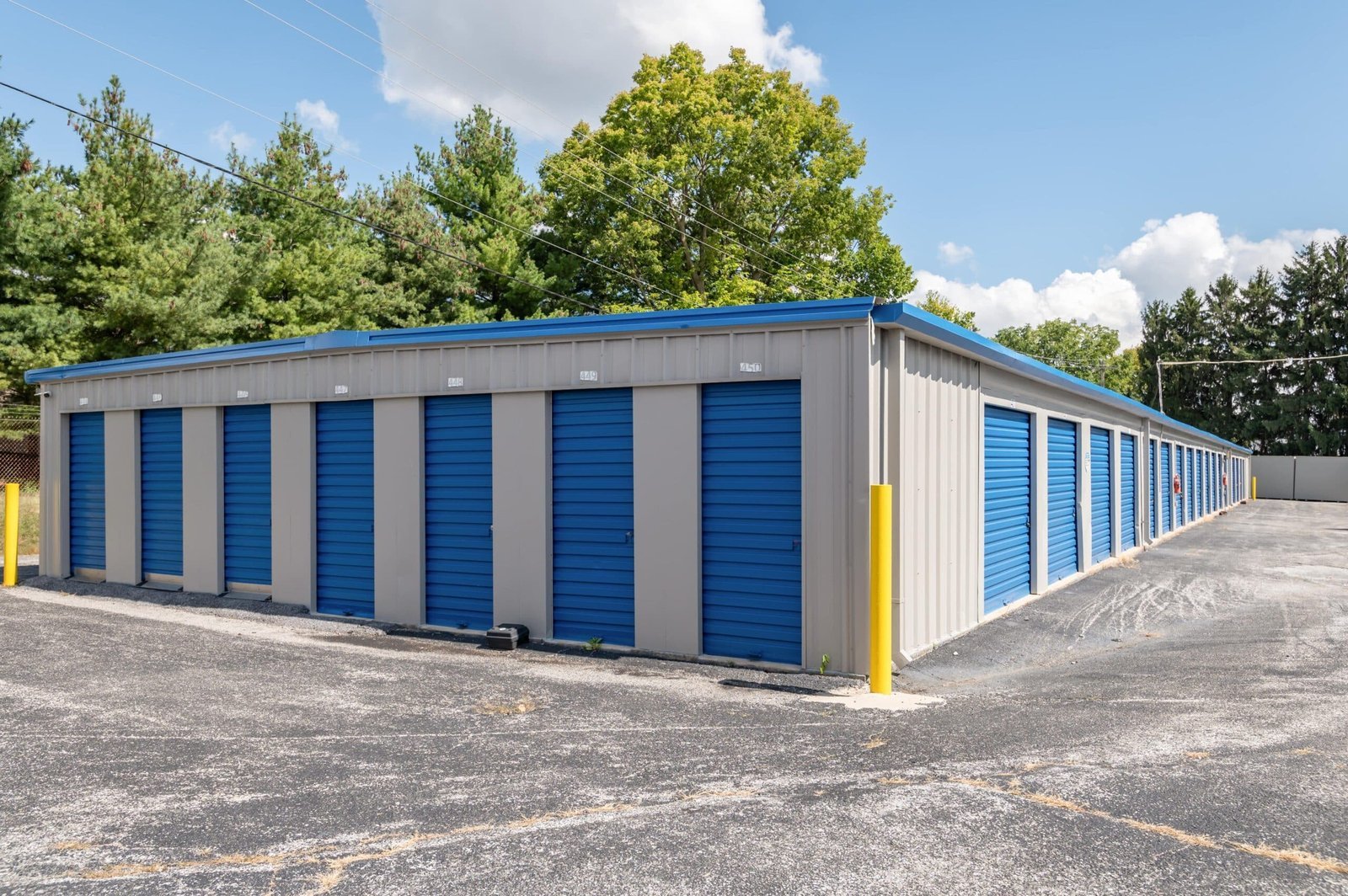
Sunland Park's revised Rancho Santa Teresa annexation proposal covers roughly 362 acres, and wherever new rooftops land, somebody starts asking where the furniture, the tools and the boat are going to go. Self-storage follows neighborhoods, campuses and job centers, and Doña Ana County has all three growing at once. A well-placed storage facility is a patient investment that earns steady rent from a small, simple building, as long as it is built for the right place and priced without frills.
Simple is not the same as easy. Storage buildings are repetitive, which means small mistakes get repeated forty or eighty times. A door header that is off by an inch, a slab that slopes the wrong way or a drive aisle that is too tight for a moving truck turns into a callback every month the facility is open. We build these buildings with a checklist mentality: layout, slab, walls, doors, lighting, gate, drainage. We walk each of them before the first unit gets rented.
If you are looking at a lot out in the Valley, a corner near the university or a conversion of an old retail box, we can give you an early read on unit mix, building type and the real construction cost per rentable square foot. Often that conversation saves more than the construction bid does.
Where storage demand is building
Three kinds of demand show up in the Valley. The first is residential growth: Chaparral, a community in Doña Ana and Otero counties, counted 16,551 residents in the 2020 census, and the Sunland Park annexation near the Project Jupiter data center site could add more neighborhoods near Sunland Park. The second is student and campus life; New Mexico State University reported 23,888 in total enrollment for fall 2025, and many of those students need a place to put belongings between semesters. The third is business storage, which grows along with industrial parks, farms and contractors who need a secure yard.
Highway access sets rents. Exit 155 on I-10 leads along NM 227 to Vado and Berino, and the Santa Teresa industrial complex has been described as supporting more than 5,000 jobs. A facility near a freeway exit or a growing subdivision has an easier lease-up than one hidden on a back road. We help owners check access, visibility and the local approach to signage before they commit to a parcel.
What moves the price of a storage facility
Storage is a cost-per-square-foot business, so every decision gets measured in dollars per rentable foot. Single-story drive-up buildings are cheapest to build and easiest to rent in towns where land is available. Multi-story climate-controlled buildings cost more to construct, but they use less land and command higher rents in busy locations. The pre-engineered metal building is the usual structure, and our pre-engineered metal building work keeps frame, wall and roof packages efficient.
Doors and partitions are a surprising share of the budget, followed by the slab, site work and paving. Choices about gate systems, cameras, management office, lighting and landscape water usage can add or subtract tens of thousands of dollars. Sprinklers, where required for the occupancy and building size, are another large item that varies by jurisdiction. We present these as options with prices so that you decide what the project should have. Owners from the commercial real estate developer world tend to like a menu approach because they can tune it to their return target.
Site details that decide whether it works
Start with circulation. A moving truck needs a wide turn, and a long aisle should not dead-end. Drive-up buildings want gentle drainage that moves water away from door thresholds, and the first rain after a hot summer will test it. Las Cruces averages 9.14 inches of precipitation a year, but heavy thunderstorms and nearby arroyos mean runoff is real, and we shape the site so that no unit floods.
Then think about heat and wind. Summer highs average 96.2 degrees Fahrenheit in June, so light-colored roofs, ventilation and insulation keep interior units from turning into ovens, and spring winds that carry dust make door seals and gutter design matter more than they would in a gentler climate. The concrete foundations crews we coordinate pay particular attention to slab thickness at truck wheel paths, because storage slabs live a hard life.
Building in phases
Storage owners often fund construction in phases so that rent from early buildings carries later ones. We plan the site utilities, paving, perimeter fence and drainage for the full build-out, then deliver building one, building two and so on as the market allows. Metal building packages have long lead times, so we order the next building while the previous one is leasing.
A typical sequence is permitting, site work, slab, building erection, doors and finish, then paving, striping and security. Weather rarely stops work in this region, though afternoon thunderstorms and strong winds can pause crane picks and roof panel installation. Being clear about the schedule helps you plan your marketing, your property management software and your first-day move-in specials.
Where we build storage
We work from Las Cruces down through Mesilla, Vado, Anthony and Santa Teresa, and we travel up the Valley to Hatch when a project calls for it. Each area has its own utility providers, setbacks and approval path, and we know who to call. If your storage building is part of a larger development with homes or shops, our multifamily and mixed-use work and our retail shopping center work help us coordinate shared infrastructure.
Owners with industrial properties sometimes ask whether a warehouse building can double as storage. It can, with the right interior partitions, and a conversion like that starts with the same slab and clear-height questions we ask on any warehouse building.
Looking at a storage site? Let's run the numbers.
Share the parcel, your target unit mix and your budget. We will give you an early read on cost per rentable foot and a phasing plan.
Questions Owners Ask
How big should a storage facility be?
It depends on the lot, the market and your capital. Many owners build around a first phase that can reach stable occupancy in a reasonable time, then expand with the same site infrastructure. We help you draw a first phase that fits the lot and leaves room to grow.
Is a metal building the best structure for storage?
For most drive-up and single-story projects, yes. A pre-engineered metal building goes up quickly, spans cleanly and costs less than masonry or tilt-wall. For a multi-story or climate-controlled facility, we compare steel framing, masonry and concrete options.
Do storage facilities need sprinklers?
It depends on building size, number of stories and the local fire marshal. We ask early so that sprinkler design, water service and permit costs show up in your budget instead of surprising you midway through.
What do I need to know about climate-controlled units here?
They add HVAC, insulation, vapor control and interior corridors, all of which raise cost, but they rent at higher rates. In a place where June highs average 96.2 degrees Fahrenheit, climate control is a real selling point for business records, electronics and furniture.
How fast can a storage facility be built?
Once permits are in hand, a single-story building often takes a few months to complete, depending on size and the metal package delivery. Permits and utility connections are the usual variables, so we start those early.