General Contracting Services
General Contracting
Las Cruces, NM
Las Cruces, NM
Fulfillment and Logistics Center Construction in Las Cruces
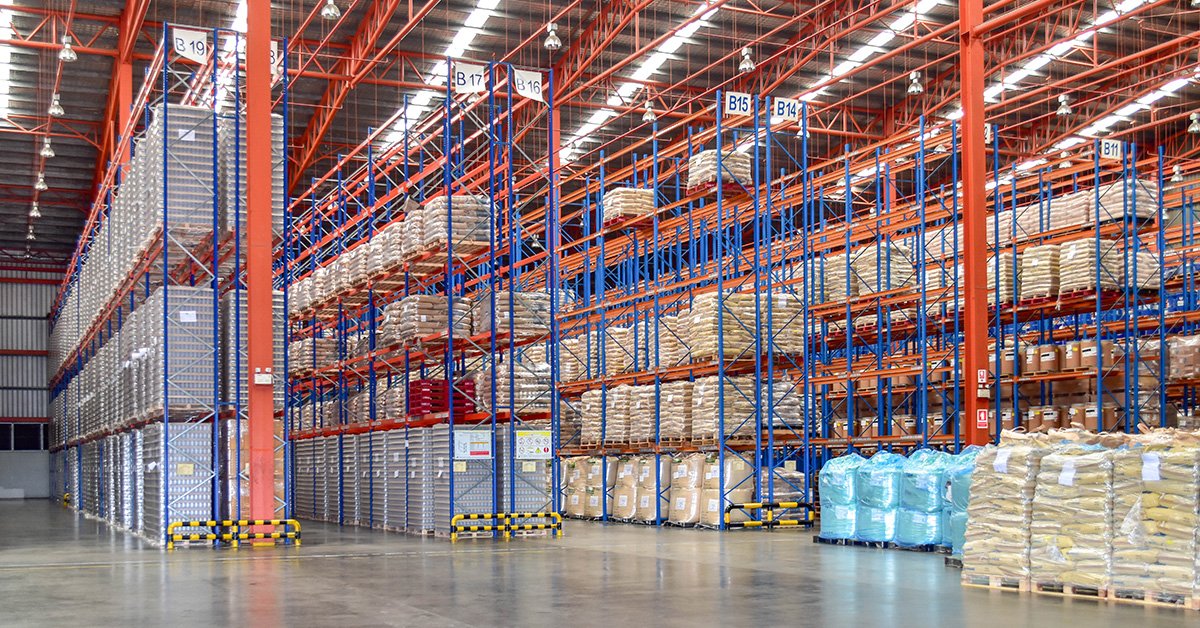
Eighteen miles north of El Paso, the city of Anthony sits on Interstate 10 at the state line, 24 miles south of Las Cruces, with a population of 8,693 at the 2020 census. A little farther up the interstate, Vado is reached from Exit 155, with Las Cruces about 17 miles north. A stretch of highway that short can feed two metro areas with a single day of driving, and that is the geography a fulfillment operator is shopping for.
A fulfillment center is a warehouse with a lot more going on inside it. Pick modules, mezzanines, conveyor and sortation, returns lines, packing stations and a lot of people on shift all share the floor, and each of them makes demands on the building. The shell is the simple part. The real work is making the slab, the power, the lighting and the air work for a building where people walk and robots drive for sixteen hours a day.
We build these fulfillment buildings for developers delivering a shell to a logistics tenant and for operators who need the interior ready to run. The sections below follow the order of decisions on a typical job.
Slab flatness for conveyors and robots
Fulfillment operations use equipment that is far more sensitive to the floor than ordinary racking. Autonomous mobile robots, automated storage systems and conveyor foundations all need floors that are flat and level to a tight tolerance, and a few millimeters of error can keep a robot from running. We get the equipment supplier's flatness and levelness numbers before the slab is designed, and we write them into the concrete scope.
Delivering that floor takes planning. We use laser screeds, control the mix and the placement sequence, and cure the slab carefully to limit curling, because curling at the joints is what throws a robot off. Hot, dry weather accelerates the surface, so large pours begin at first light in summer. The crews we coordinate on commercial concrete floors keep joint layouts consistent with the equipment path.
People, power and parcel trucks
A fulfillment center employs far more people per square foot than a bulk warehouse, and the building has to treat them well. That means parking sized for shift change, restrooms, break rooms, lighting and comfortable air in a place where a summer afternoon on a metal roof can get brutal. We plan the HVAC to condition the work zones and the people, not just the product, and we talk with the operator about how much of the building must stay cool.
Power density is the other surprise. Conveyors, charging stations for robots, packing equipment and lighting add up to a heavy electrical load, and the utility may need time to supply it. On the truck side, parcel operations often use box trucks and vans in numbers, which calls for van parking, a loop road and a staging area that differs from the long-haul dock. We design the yard to the operator's actual fleet.
Fire protection and mezzanines
A pick module or mezzanine inside a warehouse is a building within a building, and the code treats it that way. The structure, egress, sprinkler coverage and fire separation all have to be shown, and the plan reviewer will ask for them. New Mexico's 2021 Commercial Building Code (14.7.2 NMAC) adopts the 2021 International Building Code as amended, and we prepare the mezzanine package with that in mind.
Sprinkler design depends on what is stored and how high. Plastic-packaged goods and aerosols raise the hazard, and the owner's insurer may impose extra requirements. We get the commodity classification early, so the sprinkler drawings and the pump and tank decisions do not delay the permit. The 2020 Electrical Code, effective March 28, 2023, covers the extra power distribution, and we coordinate its inspections with the mechanical permit.
Where these buildings fit in the corridor
Operators looking for a corridor location compare the Santa Teresa area with sites along I-10 farther north. The Dona Ana County International Jetport has a 9,550 foot runway about four miles northwest of Santa Teresa, which gives air-freight-minded operators another reason to look there. Communities along I-10 such as Anthony and Vado offer interstate access closer to the El Paso market.
We have the same approach everywhere: walk the parcel, check the utilities and the access, and then lay out a building that fits the operator's flow. Retail and e-commerce owners, including those in the retail chain sector, usually care most about how quickly the center can ship on its first full day.
Handing over a building that is ready for equipment
Fulfillment tenants often have an installer waiting. The racking crew, the conveyor team and the controls integrator all need access to a clean slab, power and lighting, and each depends on the one before it. We build the schedule around those handoffs and hold a weekly meeting with the installers during the last phase of construction.
Conveyor, sortation and automation equipment have long lead times, and the commissioning of those systems can take weeks. Our commissioning and closeout plan lists each test and who signs off. Where an operator needs to retrofit an existing building, the tenant improvement crews we coordinate can do the interior while the shell stays in service.
Planning a fulfillment building?
Tell us the equipment, the headcount and the target opening date, and we will give you a layout and schedule. We are happy to walk the site with you.
Questions Owners Ask
How flat does the slab need to be?
It depends on the equipment. Standard racking tolerates ordinary flatness, while automated systems can require very tight numbers. We ask the equipment supplier for the specification and put it in the contract documents. The cost difference is worth knowing before the design is done.
Can an existing warehouse be converted into a fulfillment center?
Often yes. We check slab flatness, floor load, clear height, sprinkler coverage and electrical service first. The usual surprises are in the slab and the power. A short study before a lease is signed avoids most of them.
How much more parking does a fulfillment center need?
A good deal more than a bulk warehouse, because of the number of employees. We plan parking by shift size, not by building area, and we leave room for overflow.
What matters most for cooling in the summer?
People first. We air condition work zones, break rooms and offices, and we use ventilation, destratification fans and a reflective roof to take the edge off the rest. Full cooling of a large fulfillment floor is expensive, so owners decide which zones justify it.
Is a mezzanine worth it?
For small items with many SKUs, a mezzanine multiplies pick area without more land. For heavier goods it may not pay. We compare the mezzanine cost with extra floor area for the operator.