
Building Types
General Contracting
Las Cruces, NM
Las Cruces, NM
Truck Terminal and Cross-Dock Construction in Southern Doña Ana County
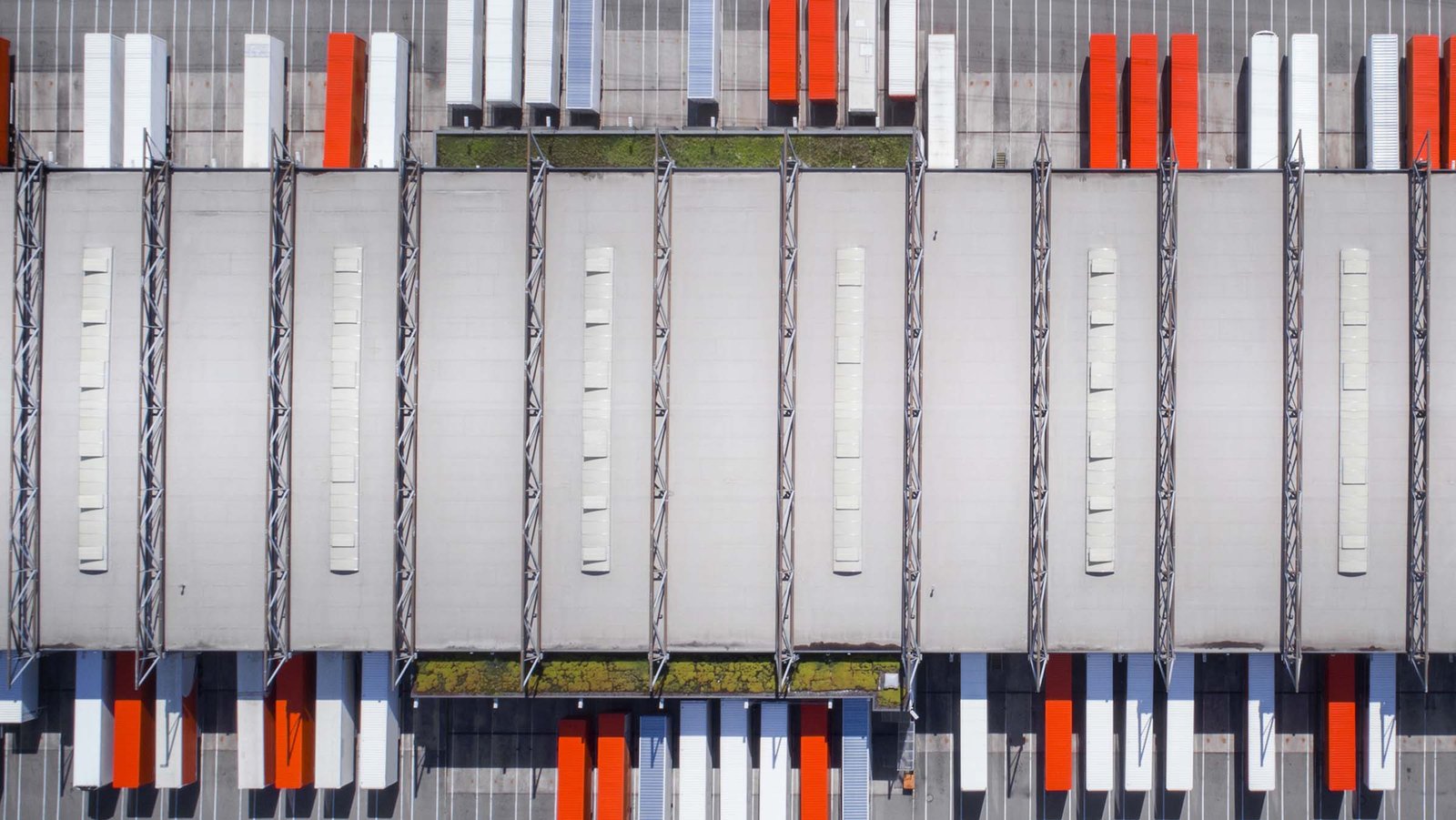
Exit 162 on Interstate 10 is NM 404, and it serves Anthony and Chaparral right at the state line, with Vado at exit 155 and Mesquite at exit 151 a few miles back toward Las Cruces. Anyone who has watched freight flow through this stretch knows how many truck lines would like to have a yard near that road. A cross-dock terminal puts a long, narrow building between the trucks and the trailers, and it makes money by keeping freight moving through it, not sitting in it.
We build truck terminals and cross-docks for carriers, freight forwarders and distributors who care about throughput. The building is thin, often 120 to 180 feet deep, with doors on both long sides so freight can roll straight from an inbound trailer to an outbound one. The yard outside it is just as important: concrete aprons, trailer staging, fueling, scales, maintenance bays and a drive aisle layout that keeps a driver from backing into trouble.
Doña Ana County is a good place for this work, with a busy interstate, rail service at Santa Teresa and Deming, and a steady flow of freight crossing the border region. We can help you decide where to put a terminal, what it should look like and how to build it so it keeps working with trucks hammering it day and night.
Picking the parcel and reading the traffic
A terminal depends on access. Anthony is on Interstate 10 on the state line in the Upper Mesilla Valley, 24 miles south of Las Cruces, and exit 162 gives direct freeway access. Vado is about 17 miles south of Las Cruces on I-10, reached from exit 155, and Mesquite lies about 13 miles southeast of the city, reached from exit 151. Each exit has different local roads, intersections and neighbors, and those details affect whether a 53-foot trailer can make the turn.
We look at turning radii, traffic signals, queueing space on the road, the distance from the exit ramp, and whether neighbors will accept truck traffic at all hours. We also check utilities and flood risk. The land along the river can have high water tables, and arroyos can send storm runoff across low spots, so site drainage is a design question from the start. A site tour at Anthony or Vado with a civil engineer is a smart first step.
What a terminal building and yard include
The dock building is a concrete tilt-wall or steel structure with a heavy floor slab, wide doors on both sides, strong lighting and a good drainage plan for the apron. Inside, we plan for forklift traffic, freight staging, a small office, driver amenities and a mezzanine for dispatch. Outside, we build staging pads for trailers, truck parking, fueling islands, wash bays, and maintenance shops, with a secure fence and gate system.
Many carriers also want a small repair shop, which we can build as a separate metal building next to the terminal, sharing the same utilities. A terminal that doubles as a distribution hub looks more like a distribution center, so we sketch both options and let the freight model decide.
The budget is mostly concrete
It surprises first-time owners how much of a terminal's budget goes into the yard. Heavy concrete aprons at the docks, reinforced pads where trailers park, and dowelled joints that handle landing gear loads add up quickly. Asphalt costs less up front but gets rutted by loaded trailers in the summer heat, and a patch-every-year approach costs more over time.
Beyond paving, the big costs are electrical service for lights, doors and shop equipment, stormwater management and fuel storage. We give owners a breakdown so they can choose where to invest. Our work in truck courts and dock aprons is about getting that balance right between up-front cost and long-term durability.
Keeping drivers and dock workers safe
A terminal is full of moving trucks and forklifts, so site design is also a safety plan. We separate employee parking and pedestrian paths from truck lanes, add wheel chocks and trailer restraints at docks, and install lighting that makes the yard visible at night. Door seals and dock levelers need regular maintenance, and we specify equipment that is easy to service.
Fueling and shop areas bring environmental rules. Spill containment, oil-water separators and stormwater controls are all part of a compliant site, and we coordinate these with the engineer and the state's regulators before ground breaks.
Phasing a terminal so you can move in sooner
Terminals are often built in phases. A first phase might include the dock building, a portion of the apron and a small office. Later phases add more doors, a maintenance shop or a larger yard. We design the utilities and drainage for the full buildout and construct the first phase so that later work does not shut down operations.
If you are leasing space while the new terminal is built, the schedule needs a firm move-in date. We work backward from that date, order long-lead items such as dock equipment, doors and electrical gear early, and lock down inspections in advance. For logistics and distribution customers, a week of delay can cost real money, so we plan with buffer.
Where we build terminals
Our terminal and cross-dock work centers on the I-10 corridor from the Las Cruces interchange down through Mesquite, Vado, Anthony and the state line, and on the Santa Teresa area close to the rail park and port of entry. We also look at sites along I-10 near Deming, where the interstate meets one of the major railroad lines linking the East Coast with the West Coast.
If you are weighing a site near the city, the I-10 and I-25 interchange area is also worth a look, since the national southern end of I-25 begins there.
Looking for a terminal site along I-10?
Tell us your doors, your trailer count and the exits you like. We will walk the parcels with you and give you a plan and a price.
Questions Owners Ask
How deep should a cross-dock building be?
Most are 120 to 180 feet deep, which gives enough room for freight staging without making the forklift trip too long. Narrower buildings move freight faster, wider ones store more. We size it to your freight type, shipment size and the number of doors you need.
How many trailer positions do I need in the yard?
Plan on at least two trailer positions per dock door, and more if you stage freight or drop trailers for customers. We lay out the yard so trailers can be moved without blocking others, and we leave room to add stalls.
Can a terminal be built on a leased site?
Yes, but the improvements usually need to be owned or amortized under the lease. We can help you evaluate whether a shorter-term yard with minimal buildings or a full terminal with permanent facilities makes sense.
What permits are involved?
Besides the building permit, expect site development approvals, driveway permits where the road is state-maintained, fire protection review and environmental permits for fueling or washing. We map the permits at the start and track them through the project.